





What Is Managing aggression safely and Why Does It Happen?
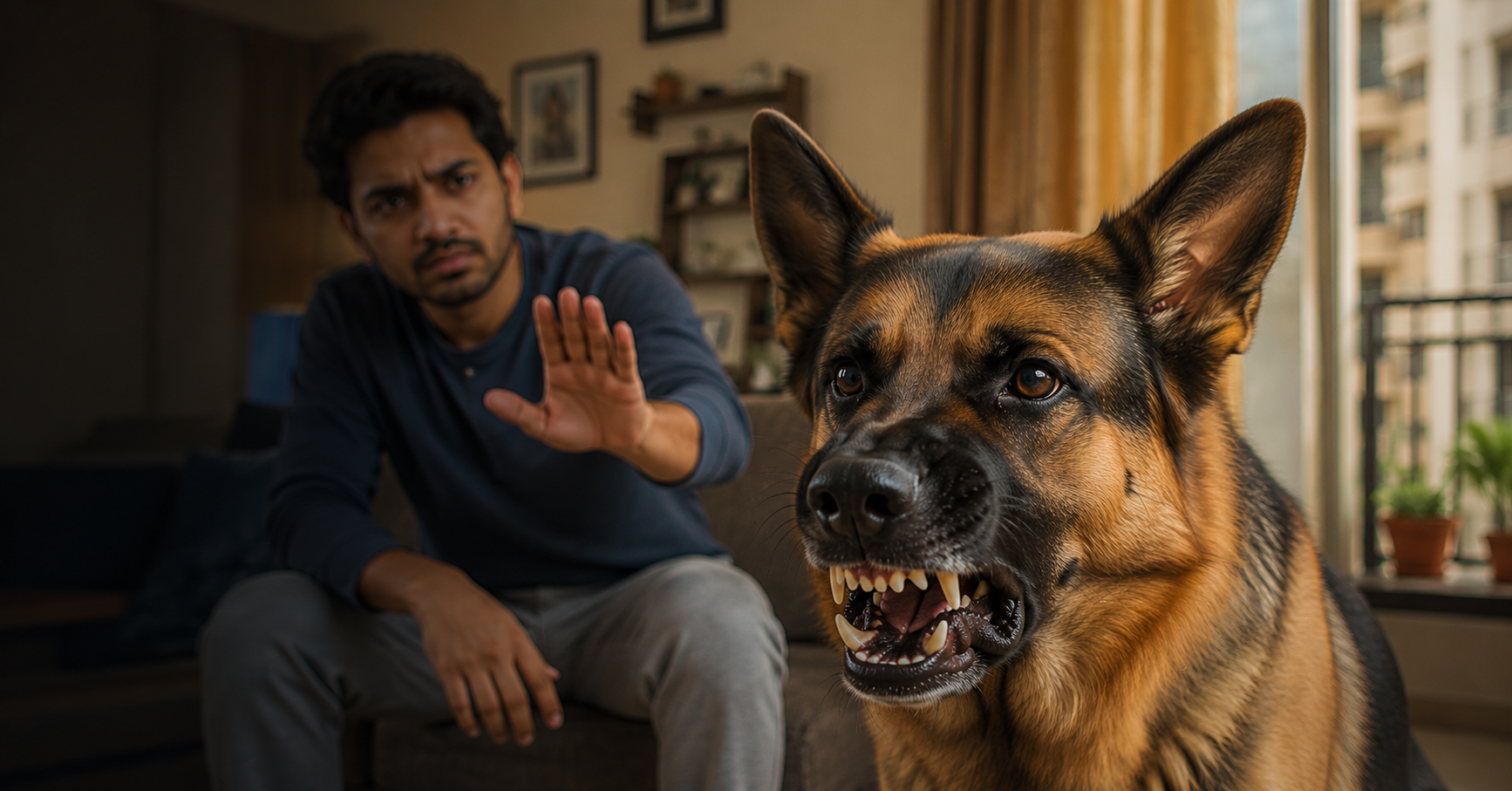
At 11:30 pm, Priya from Bangalore was standing near her kitchen doorway, frozen. Her GSD was growling at her own husband because he walked too close to the food bowl. She whispered, “What do I even do now?” I’ve seen this exact panic before. When you’re trying to handle aggressive dog at home situations, your brain goes blank for a second. It’s scary.
Most aggression isn’t random. That surprises people. Dogs usually react because they feel threatened, confused, overstimulated, or cornered. Think of it like pressure building inside a cooker. One small trigger, boom. Some dogs guard food. Others hate sudden touching. A few just never learned calm dog behaviour during puppyhood. Indian apartment life makes it worse sometimes, honestly. Tight spaces, constant noises, elevators, scooters outside, kids running in corridors, it adds pressure daily.
Is Managing aggression safely Normal in Indian Dogs?
Yes, far more normal than people admit.
I’ve spoken to Indian dog owners from Bangalore, Hyderabad, Pune, even smaller cities like Mysore, and aggression issues come up constantly. Especially in flats. Dogs hear neighbours, pressure cookers, bikes, delivery boys, random street dogs barking at midnight. There’s barely any quiet time. Wouldn’t any animal feel tense after a while?
Rohan from Bangalore had a male GSD who snapped whenever guests entered the apartment. He genuinely thought he had failed as a dog owner. Poor guy even stopped inviting friends home for months. Then he realised something important. His dog wasn’t “bad”. The dog was anxious and overstimulated.
And honestly, most trainers get this completely wrong. They try to “dominate” the dog. That often creates more fear, not less.
Some Indian breeds like Rajapalayam dogs or even Indies can become territorial if they aren’t socialised properly early on. That doesn’t mean your dog is dangerous forever. It means your dog needs guidance, structure, and safer handling at home.
Top Reasons Your Dog Has Managing aggression safely Problems
One common reason is fear. People imagine aggressive dogs as confident beasts, but many are actually nervous underneath. A dog that growls when touched may simply expect pain or discomfort. I once worked with a Labrador in Bangalore who became reactive only during thunderstorms. Indian monsoon season terrified him. Loud sounds changed his entire mood.
Another reason is lack of mental exercise. Physical walks alone aren’t enough. Especially for working breeds like GSDs, Belgian Malinois, or even active Indies. A bored dog in a small apartment becomes frustrated fast. That frustration leaks out as barking, lunging, or snapping. And yes, I learned this the hard way with my own dog years ago.
Sometimes owners accidentally reward aggression too. Sounds strange, right? But imagine your dog growls at visitors and you instantly pull the dog away while talking softly. The dog learns, “Growling makes scary people disappear.” Behaviour repeated becomes habit.
Heat also affects dog behaviour more than most Indian owners realise. Bangalore weather is milder, but cities like Hyderabad or Chennai get brutally hot. Dogs become irritable when overheated. Short tempers happen. Less patience too. A dog lying under a fan all afternoon may react badly if disturbed suddenly.
Then there’s one reason nobody expects. Too much affection. Seriously. Constant hugging, face kissing, carrying small dogs everywhere, many dogs hate it quietly until one day they explode. But social media keeps showing this behaviour as “cute”. Most dogs prefer calm respect over nonstop touching.
Common Mistakes Indian Dog Owners Make With Managing aggression safely
The biggest mistake is punishing the warning signs. A dog growls, the owner shouts. The dog snarls, someone hits with a newspaper. Problem solved? Not really. Now the dog learns that warning signals are unsafe. Next time, the bite may come without warning. That’s dangerous.
Another issue happens in apartments all the time. Owners force interaction because relatives are visiting. “Arrey he won’t do anything,” they say while pushing the dog toward strangers. Meanwhile the dog is stiff, stressed, licking lips, avoiding eye contact. Those signs matter. We ignore them too often in India because people think dog obedience means blind tolerance.
Many owners also exercise the dog only physically. Long walks. Endless fetch. But no mental work. A smart GSD can walk five kilometres and still feel restless mentally. Puzzle feeders cost maybe Rs. 300 to Rs. 800 online and make a huge difference sometimes.
And here’s the counter-intuitive part. Constantly telling your dog “No” can actually increase aggression. Dogs need clarity, not nonstop correction. There’s a difference.
How to Stop Managing aggression safely in Dogs – Step by Step
Step 1: Identify the Trigger
Before you handle aggressive dog at home situations, figure out what sets your dog off. Food? Guests? Touching paws? Sudden movement?
Watch carefully for one week. Don’t guess.
I usually tell owners to keep notes on their phone. Time, situation, reaction level. Patterns appear quickly. One Bangalore family realised their dog reacted only inside elevators. Tight spaces triggered fear.
Step 2: Create Safe Distance
Distance changes behaviour immediately.
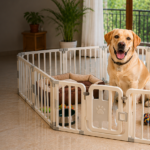
If your dog explodes when guests enter, don’t force close interaction. Keep the dog behind a baby gate, leash, or separate room initially. Calmness first. Training later.
People rush this step constantly. Big mistake.
Your dog cannot learn while panicking. Imagine trying to study during a fire alarm. Same thing.
Step 3: Remove Tension Inside the Home
Indian apartments can become sensory overload zones. TV blasting. Pressure cooker whistling. Kids yelling. Doorbells every twenty minutes because of deliveries.
Reduce chaos temporarily.
Use calm background music. Give your dog one quiet resting spot near a fan or cooler place. Don’t disturb that area. I personally think every aggressive dog needs a “safe corner” inside the house.
And yes, this sounds simple. But it works.
Step 4: Reward Calm Dog Behaviour
Timing matters here.
The second your dog stays calm around a trigger, reward it. Tiny chicken pieces work brilliantly for many dogs. So do boiled eggs sometimes. My own dog would probably sell my furniture for paneer cubes.
Keep sessions short. Five to seven minutes is enough initially.
Don’t wait for perfection. Reward small improvements. A calm glance matters. One quiet moment matters too.
Step 5: Teach Basic Dog Obedience Again
Aggressive dogs often lack emotional control, not intelligence.
Rebuild basics slowly. Sit. Stay. Place command. Eye contact. Simple dog training creates predictability. Predictability reduces anxiety.
A GSD living in a Bangalore apartment especially needs structure daily. Morning walk, feeding schedule, short obedience session, rest time. Random lifestyles confuse sensitive dogs.
But don’t train harshly.
Fear-based methods may suppress behaviour temporarily while increasing stress underneath. That’s risky long term.
Step 6: Manage Visitors Properly
Indian homes get visitors constantly. Relatives, neighbours, delivery staff, maintenance workers. Your dog notices every single one.
Tell guests to ignore the dog initially. No staring. No sudden touching. No baby voice excitement.
This one rule alone prevents many bites.
If needed, keep your dog leashed during guest visits for two or three weeks while practising calm behaviour rewards. Slow progress is still progress.
Step 7: Use Safety Tools Without Shame
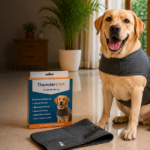
Muzzles. Bite-proof gloves. Leashes indoors.
Use them if needed.
Some owners feel embarrassed. Don’t. Safety comes first when you handle aggressive dog at home cases seriously.
A properly introduced basket muzzle isn’t cruel. It’s responsible. Same goes for barriers or crates used correctly.
Honestly, prevention beats regret every single time.
How Long Does It Take to Fix Managing aggression safely in Dogs?
It depends on the dog and the trigger.
During the first three days, most owners only notice small changes. Slightly calmer reactions. Better recovery after barking. Nothing dramatic yet. That’s normal.
By the first week, you’ll usually start spotting patterns more clearly. Maybe your dog reacts less intensely in one situation but still struggles elsewhere. Don’t expect miracles. Real dog behaviour change takes repetition.
After one month of steady work, many dogs improve noticeably. Shorter outbursts. Faster calming down. Better focus during dog training sessions. But severe aggression cases can take several months, especially if the behaviour has existed for years.
And some days will feel frustrating again. That’s part of it. Progress with dogs is rarely perfectly straight.
Best Dog Behaviour Training Course for Managing aggression safely Problems
These steps work well for most dogs. But some dogs need a more structured programme, especially if the fearful of own dog’s aggression has been going on for weeks or months.
created by certified trainer Adrienne Farricelli, targets the root cause of behaviour problems using force-free, science-based methods. Thousands of dog owners have used it successfully.
If you’re trying to handle aggressive dog at home situations daily, structured guidance can remove a lot of confusion. The course includes practical exercises for dog obedience, impulse control, and calmer dog behaviour inside the home.
Using bite-proof gloves alongside the training can also make a real difference, especially during the early stages when your dog is still unpredictable.
How do I defend myself against an aggressive dog?
If an aggressive dog attacks, use an object like a bag or jacket as a barrier and avoid sudden movements that may escalate the situation. If knocked down, curl into a ball, protect your neck, and remain still. Staying calm and minimizing movement helps reduce injury risk until the dog disengages.
How to deal with an aggressive dog in your house?
To deal with an aggressive dog in your house, prioritize safety by managing their environment and avoiding triggers. Use calm, positive reinforcement to reward good behavior instead of punishment. For serious aggression, seek help from a qualified professional trainer or behaviorist for safe behavior modification.
What are the common triggers for dog aggression?
Common triggers for dog aggression include fear, pain or medical issues, poor socialization, stress, confusion, and resource guarding of food or toys. Some dogs may also react aggressively when they feel threatened or overwhelmed in certain environments. Identifying the trigger is key to managing and correcting the behavior.
How to calm down an aggressive dog?
To calm an aggressive dog, remove triggers and avoid sudden movements or direct eye contact. Stay calm and do not yell or punish, as it can increase aggression. Use a calm voice and redirect attention with a high-value treat or distraction to help shift focus and reduce tension.
What are the top 3 most aggressive dogs?
There is no single “most aggressive” dog breed, as aggression depends on training, socialization, and environment. However, studies often note breeds like Pit Bull-type dogs, Rottweilers, and German Shepherds in bite statistics due to size and strength. Any dog can show aggression if poorly trained or threatened.
Can dog aggression be cured?
Dog aggression is rarely fully “cured,” but it can be successfully managed and improved with consistent training. Identifying triggers like fear, pain, or resource guarding and using behavior modification helps reduce aggressive reactions. Working with a qualified professional improves safety and long-term results.