





What Is Separation anxiety and Why Does It Happen?
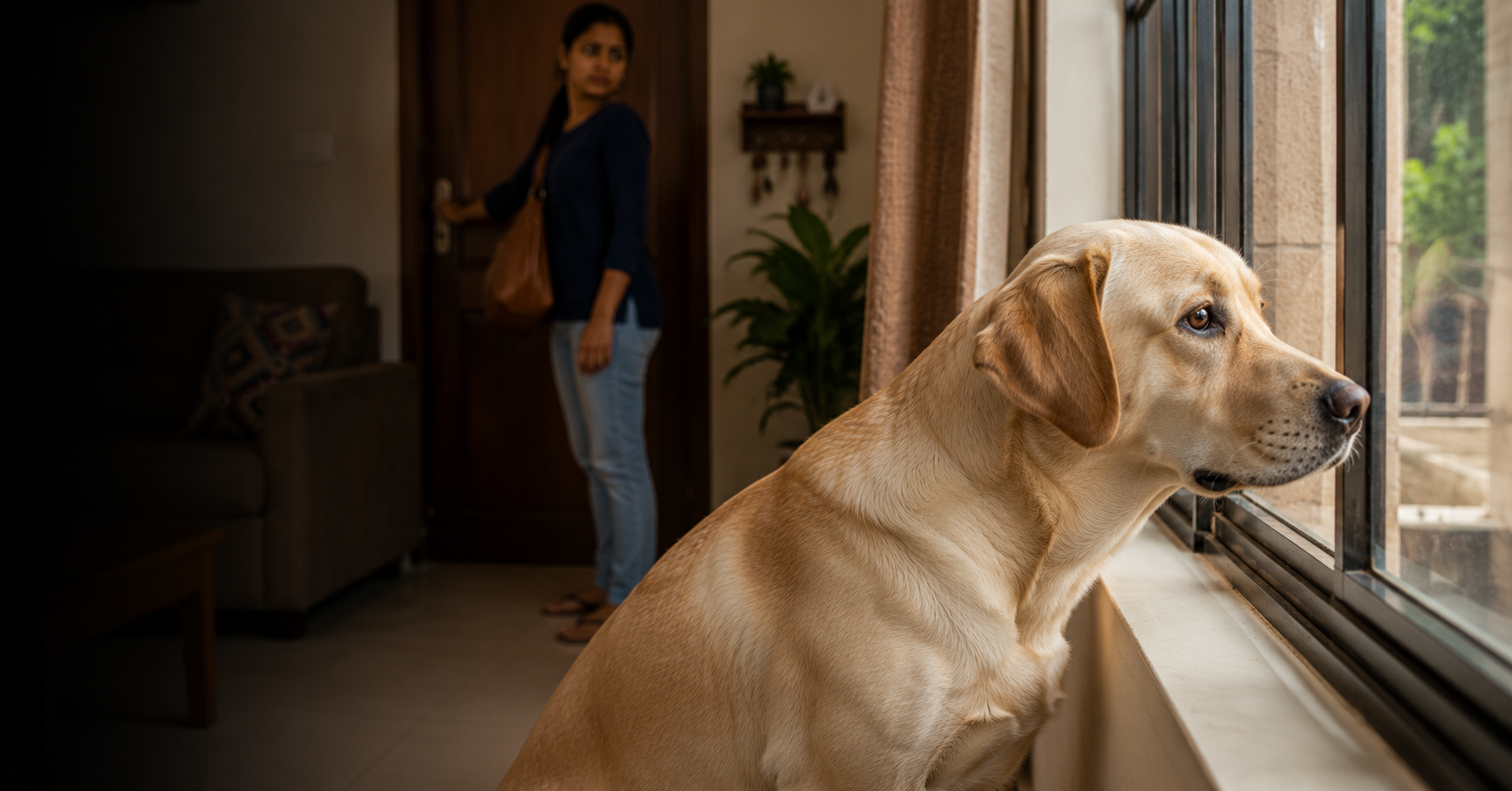
At 8:30 every morning, Priya from Delhi would hear the same thing after locking her flat door. Loud barking. Scratching. Then silence for two minutes. Then howling again. One day she came home and found her sofa torn open and her neighbour furious. That’s the reality of dog separation anxiety India owners quietly deal with every day, especially in apartments where everyone hears everything.
Separation anxiety happens when your dog panics because you leave. Simple as that. Your dog isn’t trying to “take revenge”. Dogs don’t think like that. They feel unsafe and confused, a bit like a small child waking up in a crowded market and suddenly not seeing their parents nearby. Some dogs bark. Others chew doors. A few stop eating completely. Honestly, it can feel exhausting.
Is Separation anxiety Normal in Indian Dogs?
Yes. Very normal. Much more common than people think.
I’ve seen dog separation anxiety India cases in tiny Delhi flats, Hyderabad apartments, and even bigger homes in Bengaluru where the dog still couldn’t stay alone for twenty minutes. Indian dog owners often blame themselves first. They think they spoiled the dog or trained badly. Most of the time, that isn’t true at all.
Rohan from Delhi had a Labrador who cried every single time he left for office. The neighbours complained constantly. He stopped going out for dinner because he felt guilty. Poor guy thought he had “failed” as a dog parent. But his Labrador was simply anxious and over-attached after lockdown life where someone stayed home all day.
Apartment dogs struggle more sometimes. There’s less space. More sounds. More people walking outside the door. Even lifts opening can trigger barking. And Indian families are very emotionally connected to pets, which is lovely, but it also means some dogs never really learn independence. Weirdly enough, that closeness can backfire a little.
Top Reasons Your Dog Has Separation anxiety Problems
Many people assume separation anxiety starts because a dog “loves too much”. That’s only part of it. Usually, several small things build up quietly over time.
One major reason is sudden routine change. During work-from-home periods, lots of dogs got used to constant company. Then office life returned. The dog went from seeing you 24 hours a day to sitting alone in a flat for eight hours. That’s a huge emotional shift. Imagine someone switching off your whole world overnight. Dogs notice these changes fast.
Another reason is lack of mental exercise. Physical walks alone don’t fix everything. I know Labradors in Delhi who walk twice daily but still panic when left alone because their brains stay overstimulated and restless indoors. Dog training matters here. Basic dog obedience exercises actually help dogs feel calmer because predictable routines reduce stress.
Indian apartment life adds pressure too. There are constant noises, pressure cookers, scooters, neighbours shouting in corridors, delivery bells every hour. Sensitive dogs stay on alert all day. Some Indian breeds like Indies are street-smart but highly aware of environmental sounds, so they react quickly when alone.
Here’s the part that surprises most owners. Sometimes too much attention creates anxiety. People hate hearing this. But if your dog follows you everywhere, sleeps touching your feet, watches every movement, and never spends five minutes alone, they never build emotional independence. Honestly, most trainers get this completely wrong. They tell owners to shower anxious dogs with more comfort every second. That can accidentally increase dependency instead of confidence.
Heat can also play a role. Indian summers are brutal. Dogs already feel physically uncomfortable. Add loneliness and confinement, and anxiety can spike badly by afternoon. I’ve seen dogs calm down noticeably once owners improved cooling and airflow inside the house. Small thing. Big difference.
Common Mistakes Indian Dog Owners Make With Separation anxiety
The biggest mistake is dramatic goodbyes. You know the scene. “Mumma will come soon baby!” Then hugs. Kisses. Emotional voice. Dogs read energy fast. When you act emotional before leaving, your dog thinks something serious is happening. That tension builds panic.
Another common mistake is punishing destruction later. Owners come home, see chewed slippers, and scold the dog. But the dog already forgot the action. They only see your anger arriving suddenly after you return home. That makes anxiety worse because now your return feels unpredictable too. Not great.
Many Indian dog owners also rush the process. They try leaving the dog alone for four hours immediately after reading one training tip online. That usually fails. Separation anxiety training works slowly. Very slowly sometimes. Especially in small apartments where sounds echo and neighbours complain within minutes.
One more thing people think helps, but often doesn’t, is constantly keeping the TV on loudly all day. Sometimes it calms dogs. Sometimes it overstimulates them more. Depends on the dog. My own Labrador actually barked harder when loud Hindi serials played in the background. Strange fellow, honestly.
How to Stop Separation anxiety in Dogs — Step by Step
Step 1: Identify the Trigger
Watch carefully before fixing anything.
Some dogs panic when they see shoes. Others react to keys, office bags, or even the lift sound outside. Spend three days observing patterns. Don’t guess. If your Labrador starts pacing the second you wear your watch, that’s valuable information.
And yes, tiny details matter.
Step 2: Practice Short Exits Daily
Start ridiculously small.
Walk outside your flat for 30 seconds. Come back calmly. Repeat five times daily for one week. Then increase slowly to one minute, three minutes, and five minutes. Don’t jump ahead because one “good day” happened. That’s where most owners mess up.
Rohan from Delhi improved his dog’s anxiety by doing this consistently for three weeks before trying longer absences. Slow worked better.
Step 3: Stop Emotional Goodbyes
Leave quietly.
No speeches. No sympathy face. No guilt.
I know it feels cold at first. Indian families naturally speak emotionally to pets. But calm exits teach your dog that departures are normal everyday events, not emotional disasters. Even your return home should stay relaxed for the first five minutes.
Harder than it sounds.
Step 4: Create a Safe Space Inside the Flat
Dogs need a predictable area.
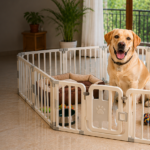
Use one room corner with a cooling mat, water, familiar smells, and safe chew toys. During Indian summers, keep airflow strong because heat increases restlessness. I personally prefer pedestal fans over loud coolers for anxious dogs because constant cooler noise irritates some of them.
Avoid locking the dog suddenly in tiny balconies. That usually increases panic and barking. Especially in Delhi apartments where outside noises never stop.
Step 5: Use Brain Work Before Leaving
A tired brain helps more than a tired body.
Ten minutes of sniffing games or dog training drills before you leave can reduce anxiety noticeably. Practice simple dog obedience commands like “stay”, “place”, and “find it”. Scatter treats around the room and let your dog search. Mental work drains nervous energy.
One mistake I made years ago was relying only on long walks. Didn’t help enough. Brain exercises changed everything for my dog.
Step 6: Remove Constant Following Behaviour
This step feels strange initially.
If your dog follows you into every room, gently interrupt the habit. Ask them to stay on a mat while you move around briefly. Return before they panic. Gradually increase distance inside the home first. Emotional independence starts indoors, not outside.
But don’t ignore your dog completely either. Balance matters.
Step 7: Consider Structured Training Support
Some dogs improve in two weeks. Others need structured help for months, especially severe dog separation anxiety India cases involving destruction, nonstop howling, or self-harm behaviours.
Force-free dog training works best long term. Avoid harsh punishment collars or trainers who promote fear. I’ve seen dogs become quieter temporarily but emotionally worse underneath. Quiet doesn’t always mean calm.
Professional support in India can cost anywhere from Rs. 3,000 to Rs. 25,000 depending on the trainer and city. Choose carefully. Certifications matter less than actual behaviour understanding sometimes, honestly.
How Long Does It Take to Fix Separation anxiety in Dogs?
This depends on severity. Mild cases improve surprisingly fast. Deep anxiety takes patience.
During the first three days, don’t expect miracles. You’re just building new routines. Some dogs may actually bark more initially because the old pattern changed. That’s normal.
By the first week, many dogs show small improvements. Less pacing. Slightly calmer exits. Maybe shorter barking episodes. Tiny wins count here.
After one month of consistent work, most dogs handle alone time much better if the anxiety wasn’t extreme to begin with. Severe cases can take several months though. Especially dogs who’ve practised panic behaviours for years.
Stick with it. Really.
Your dog isn’t trying to be difficult. They’re struggling. Big difference.
Best Dog Behaviour Training Course for Separation anxiety Problems
These steps work well for most dogs. But some dogs need a more structured programme, especially if the dog destroys home and howls when left alone has been going on for weeks or months. One programme I genuinely like is Brain Training for Dogs, created by certified trainer Adrienne Farricelli. It focuses on the root cause of dog behaviour problems using force-free, science-based methods instead of punishment.
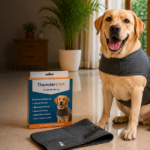
Thousands of dog owners have used it successfully, including people dealing with barking, panic, chewing, and over-attachment problems. Using a calming supplement alongside the training can also help some anxious dogs settle faster, especially during noisy Delhi evenings or stressful apartment hours. Not every dog needs that extra support, but some honestly do much better with it.
How do you fix separation anxiety in dogs?
To reduce separation anxiety in dogs, provide daily exercise and mental stimulation before leaving them alone. Gradually increase the time your dog spends alone and reward calm behavior. A consistent routine helps build confidence and reduces anxiety over time.
What is the root cause of separation anxiety in dogs?
Separation anxiety in dogs is usually caused by sudden routine changes, past trauma, lack of independence, or the loss of a family member. These events can make dogs fearful of being left alone. Identifying the root cause is the first step toward reducing anxiety through training and a consistent routine.
What dog breeds get separation anxiety?
Any dog can develop separation anxiety, but it is more common in breeds like Vizslas, Border Collies, German Shepherds, Labrador Retrievers, Cavalier King Charles Spaniels, and Chihuahuas. These breeds form strong bonds with their owners and may struggle when left alone without proper training and routine.
What are the first signs of dog anxiety?
The first signs of dog anxiety include excessive panting, whining, pacing, trembling, lip licking, drooling, and ears pinned back. Some dogs may also bark excessively or become destructive. Recognizing these early warning signs helps you reduce stress before anxiety becomes more severe
How long does separation anxiety last?
Separation anxiety in dogs can last from a few minutes to several hours after you leave, depending on its severity. Without training, it may persist long-term. Consistent behavior training, a predictable routine, and gradual alone-time practice help reduce separation anxiety over time.
How to fix separation anxiety fast?
There is no instant cure for separation anxiety, but you can reduce it by exercising your dog before leaving and providing mental stimulation with puzzle toys or games. Gradually increase alone time and reward calm behavior. Consistent training is the fastest way to achieve lasting improvement.