





What Is Aggression towards family and Why Does It Happen?
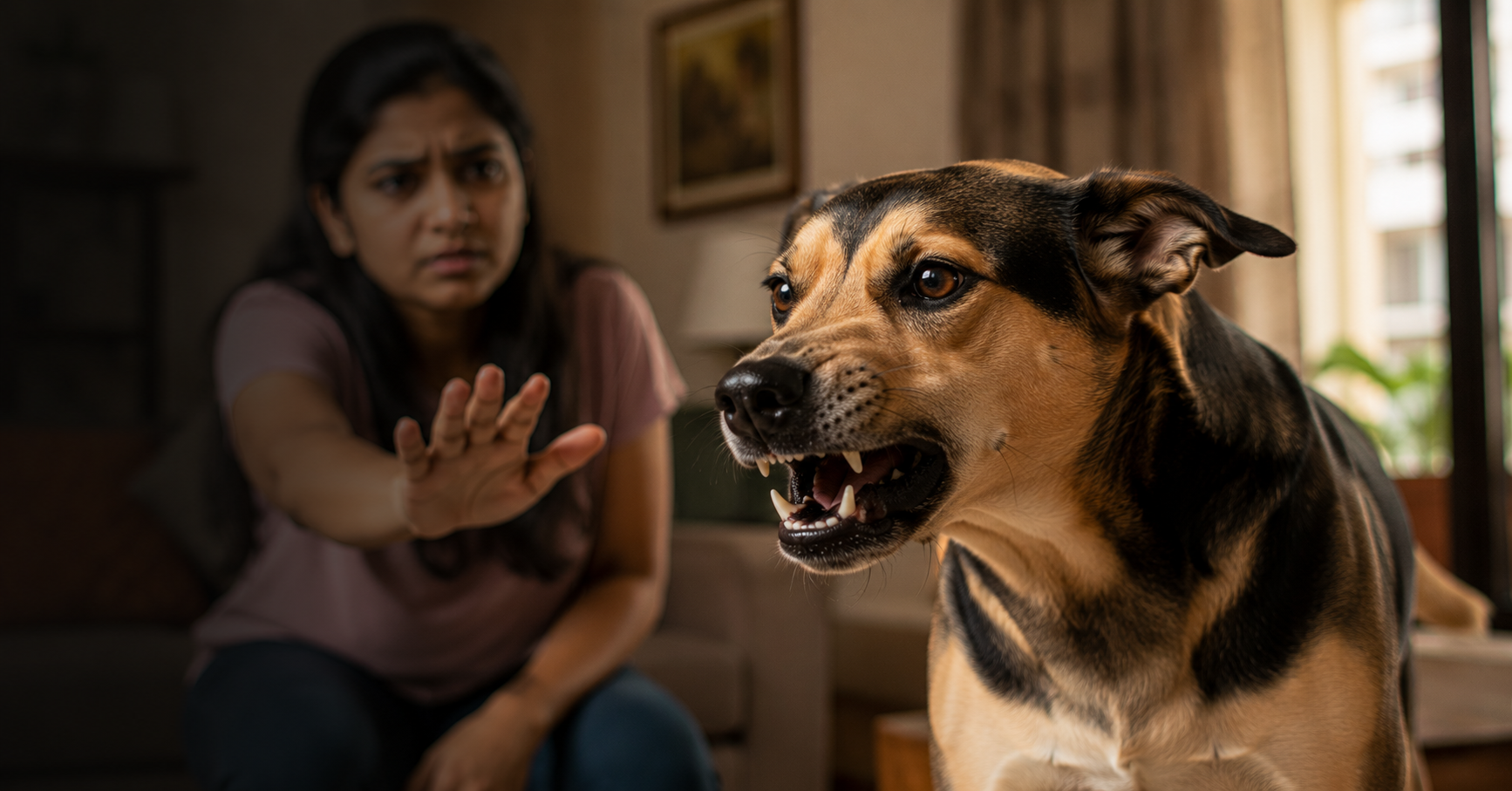
At dinner time in a small Delhi apartment, Priya’s Mixed breed dog suddenly growled when her eight-year-old son tried to hug him near the sofa. Everyone froze. The room went silent for two seconds. Then panic started. She later told me she couldn’t sleep that night because she kept thinking, “Why is my dog growling at family members now?”
Truth is, this behaviour usually comes from fear, stress, discomfort, or confusion. Not “evilness”. Dogs don’t wake up planning family drama. Most are reacting emotionally in the moment.
Think of it like someone poking you repeatedly when you already have a headache in Delhi summer heat. Eventually you’ll snap too, right? Dogs have limits exactly like we do. Some warn quietly first. Others escalate faster because previous warning signs got ignored.
Is Aggression towards family Normal in Indian Dogs?
Honestly, yes. Much more common than people admit.
Indian dog owners deal with this issue constantly, especially in flats where dogs and humans share tight living spaces all day long. In Delhi apartments, dogs hear pressure cookers, kids shouting, neighbours arguing, lifts opening, delivery bells ringing every hour. Some dogs become overwhelmed slowly without owners even noticing.
Rohan from Delhi had a Mixed breed rescue dog who growled whenever his father tried moving him off the bed. He felt ashamed about it for months. Poor guy thought he had failed at dog training completely. But after understanding the actual emotional trigger, things improved gradually.
And no, it’s not your fault.
Many dogs showing aggression towards family are actually anxious underneath.
Some dogs behave differently depending on who approaches them. While they may growl at family members, others become reactive only when strangers or guests visit.
Learn More: https://petcare360.org/dog-biting-visitors-what-to-do-and-how-to-fix-it-fast/
That surprises people. They expect aggressive dogs to look confident and dominant all the time. Usually the opposite is true.
Honestly, most trainers get this completely wrong. They punish growling immediately instead of understanding why the dog felt uncomfortable in the first place. That often makes dog behaviour worse later.
Top Reasons Your Dog Has Aggression towards family Problems
One common reason is overstimulation. Indian apartment life gives dogs very little quiet space sometimes. Constant movement. Noise. Visitors. Children running around. Even loving families can accidentally overwhelm a sensitive dog. I’ve seen calm dogs become reactive simply because they never truly relaxed during the day.
Pain is another huge factor owners miss constantly. Dogs hide discomfort incredibly well. A dog with ear pain, joint soreness, or stomach trouble may suddenly react when touched. Delhi winters especially affect older dogs with arthritis. One owner spent Rs. 12,000 on dog training before discovering her Labrador actually had hip pain. Imagine that frustration.
Sometimes resource guarding causes dog growling at family members too. Food bowls. Beds. Toys. Even favourite humans. Dogs attach emotional value to things, just like people do. If your dog believes someone might “take away” something important, defensive behaviour can appear fast.
Then there’s a reason many owners hate hearing. Too much physical affection.
Yes, really.
People assume dogs love constant hugs and face touching because social media shows it nonstop. But many dogs quietly tolerate uncomfortable handling until one day they stop tolerating it. A growl is often a warning, not betrayal.
Heat and lack of exercise also affect mood badly. Delhi summers drain everyone’s patience, including your dog’s. A bored, overheated dog trapped indoors all afternoon may react more intensely by evening.
But here’s the counter-intuitive part. Excessive obedience drilling can sometimes increase tension in nervous dogs. Some owners constantly command their dog all day. Sit. Stay. Down. No. Come here. Enough already. Dogs need calm connection too, not nonstop correction.
Common Mistakes Indian Dog Owners Make With Aggression towards family
The biggest mistake is punishing the growl itself. A dog growls, someone yells or hits. Problem solved? Not really. Now the dog learns warning signals are unsafe. Next time the bite may happen without warning. That’s dangerous.
Another mistake happens constantly in Indian homes with children. Families force interaction because they want the dog and child to “bond”. Meanwhile the dog is licking lips, turning away, freezing slightly, clearly uncomfortable. Those signals matter. We ignore them far too often.
Meanwhile the dog is licking lips, turning away, freezing slightly, clearly uncomfortable. These are all important dog body language signals that many owners miss.
Learning to read them early can prevent many aggressive incidents before they happen. https://petcare360.org/understanding-dog-body-language-a-clear-guide/
Many owners also crowd the dog after an incident. Everyone suddenly becomes emotional. Relatives gather around giving advice. Somebody tries petting the dog to “show love”. Terrible timing sometimes. A stressed dog usually needs space first.
And here’s something people don’t expect. Saying “good boy” repeatedly during tense situations can accidentally reinforce anxious behaviour if your timing is wrong. Calm reassurance isn’t always calming to the dog.
I personally think many Indian dog owners treat dogs like furry children instead of animals with physical boundaries. Sounds harsh maybe, but it’s true sometimes.
How to Stop Aggression towards family in Dogs – Step by Step
Step 1: Identify the Exact Trigger
Before fixing dog growling at family members, you need clarity.
What exactly happens before the reaction? Touching near food? Disturbing sleep? Hugging? Fast movement from children?
If the aggression mainly happens around food bowls, toys, or resting places
it may be a sign of resource guarding in dogs: https://petcare360.org/resource-guarding-in-dogs-why-they-bite-over-food-and-toys/
Spend one week observing patterns carefully. Don’t rely on memory alone. Write notes on your phone if needed. I did this with my own dog years ago and noticed reactions happened mostly during evening chaos inside the apartment.
Small details matter.
Step 2: Stop Forcing Interaction
Your dog doesn’t owe affection constantly.
If your dog walks away, let him. If your dog dislikes hugging, respect that boundary. Families often push contact because they think avoiding interaction means “giving in”. Usually it reduces stress instead.
Children especially need guidance here.
Teach them to invite interaction calmly rather than grabbing suddenly. One Delhi family I worked with completely changed their dog’s behaviour simply by stopping rough affection around bedtime.
Step 3: Create a Safe Resting Space
Every dog needs one place where nobody disturbs them.
Use a mat, crate, or quiet corner near a fan during Indian summers. Tell family members clearly that this area is off-limits when the dog rests there. No touching. No selfies. Nothing.
Predictability lowers anxiety fast.
And yes, this sounds basic. But many homes ignore this completely.
Step 4: Reward Calm Dog Behaviour
Timing changes everything.
The moment your dog stays relaxed around family movement, reward calmly. Tiny chicken pieces work brilliantly. Soft praise too. My own dog becomes suspiciously cooperative for boiled egg pieces. Honestly, it’s embarrassing.
Keep sessions short though. Five minutes twice daily is enough initially.
Don’t reward after growling episodes accidentally. Reward calm moments before tension escalates.
Step 5: Rebuild Dog Obedience Gently
Basic dog obedience creates structure and emotional stability.
Practice simple commands daily inside the apartment. Sit. Place command. Eye contact. Stay. Short sessions help nervous dogs feel more predictable about their environment.
But don’t become robotic about training.
Some owners overdo it and create more pressure. Calm guidance works better than military-style correction, especially for sensitive Mixed breed dogs.
Step 6: Manage Family Energy During Incidents
Dogs absorb household tension immediately.
If somebody panics, screams, or rushes toward the dog during a growling episode, stress multiplies instantly. Speak softly. Move slowly. Create space first.
I know this sounds difficult in real life. Especially when children are involved. Still, calmer reactions from humans usually shorten aggressive episodes significantly.
And stop turning incidents into dramatic family discussions in front of the dog. That emotional energy matters more than people realise.
Step 7: Use Safety Tools If Needed
Management is not failure.
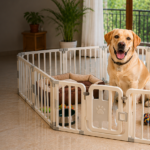
Baby gates, leashes indoors temporarily, calming chews, even muzzle training if necessary, these tools help prevent accidents while dog training progresses. Good calming treats in India usually cost around Rs. 500 to Rs. 1,500 depending on ingredients.
Honestly, prevention matters more than ego.
How Long Does It Take to Fix Aggression towards family in Dogs?
Realistically, improvement takes time.
During the first three days, you’ll mostly notice awareness changes. Your family will begin spotting triggers earlier and avoiding stressful situations better. That alone reduces tension quickly sometimes.
By the first week, many dogs show smaller emotional reactions if the environment becomes calmer consistently. Maybe less growling. Faster recovery after stress. Better sleep too.
After one month, structured dog training and routine changes often create visible improvement in dog behaviour around family members. But serious cases involving biting or long-term anxiety may need several months of work.
And setbacks happen occasionally. Completely normal.
One bad evening doesn’t erase all progress. Dogs learn gradually, just like people do.
Best Dog Behaviour Training Course for Aggression towards family Problems
These steps work well for most dogs. But some dogs need a more structured programme, especially if the dog growling at children has been going on for weeks or months.
Brain Training for Dogs, created by certified trainer Adrienne Farricelli, targets the root cause of behaviour problems using force-free, science-based methods. Thousands of dog owners have used it successfully.
If you’re dealing with dog growling at family members regularly, structured guidance can remove a lot of confusion and stress from daily life. The programme includes practical dog training exercises that improve emotional control, calmness, and trust inside the home.
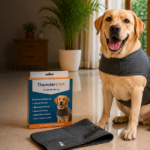
Using calming treats alongside the training can also make a real difference, especially during high-stress times like festivals, crowded family gatherings, or noisy Delhi evenings.
Why does my dog keep growling at family members?
Dogs may growl at family members to communicate fear, discomfort, or the need for space. It is often a warning sign that they feel threatened or uneasy in a situation. Instead of punishing growling, identify the trigger and use calm, positive training to help your dog feel more comfortable.
Why does my dog only bite one person in the family?
If a dog only bites one family member, it is usually due to fear, anxiety, or a negative past experience with that person. The dog may feel threatened or uncomfortable due to certain interactions, handling, or body language. Identifying the trigger and rebuilding trust through calm, positive training is important, and professional help may be needed for safety.
Why would a dog start to growl at family members?
A dog may start growling at family members due to fear, discomfort, stress, or a need for space. It is a warning signal that something is making the dog uneasy. Instead of punishing it, identify the trigger and use calm, positive training to address the behavior safely.
Should I correct my dog if he growls?
No, you should not punish or correct a dog for growling. Growling is a warning sign that the dog is uncomfortable, fearful, or stressed. Instead of punishing it, identify the cause and use calm, positive training to address the underlying issue safely.
Are dogs happy when they growl?
Dogs are usually not happy when they growl. It is most often a sign of discomfort, fear, stress, or a need for space. However, some dogs may also growl during play, which can be normal and friendly. Context and body language help you understand the meaning.
How can I stop my dog from snapping at people?
To stop a dog from snapping at people, identify the trigger such as fear, pain, stress, or resource guarding. Use positive reinforcement to build calm and safe responses, and avoid punishment as it can worsen the behavior. If snapping continues, seek help from a qualified trainer or veterinarian.