

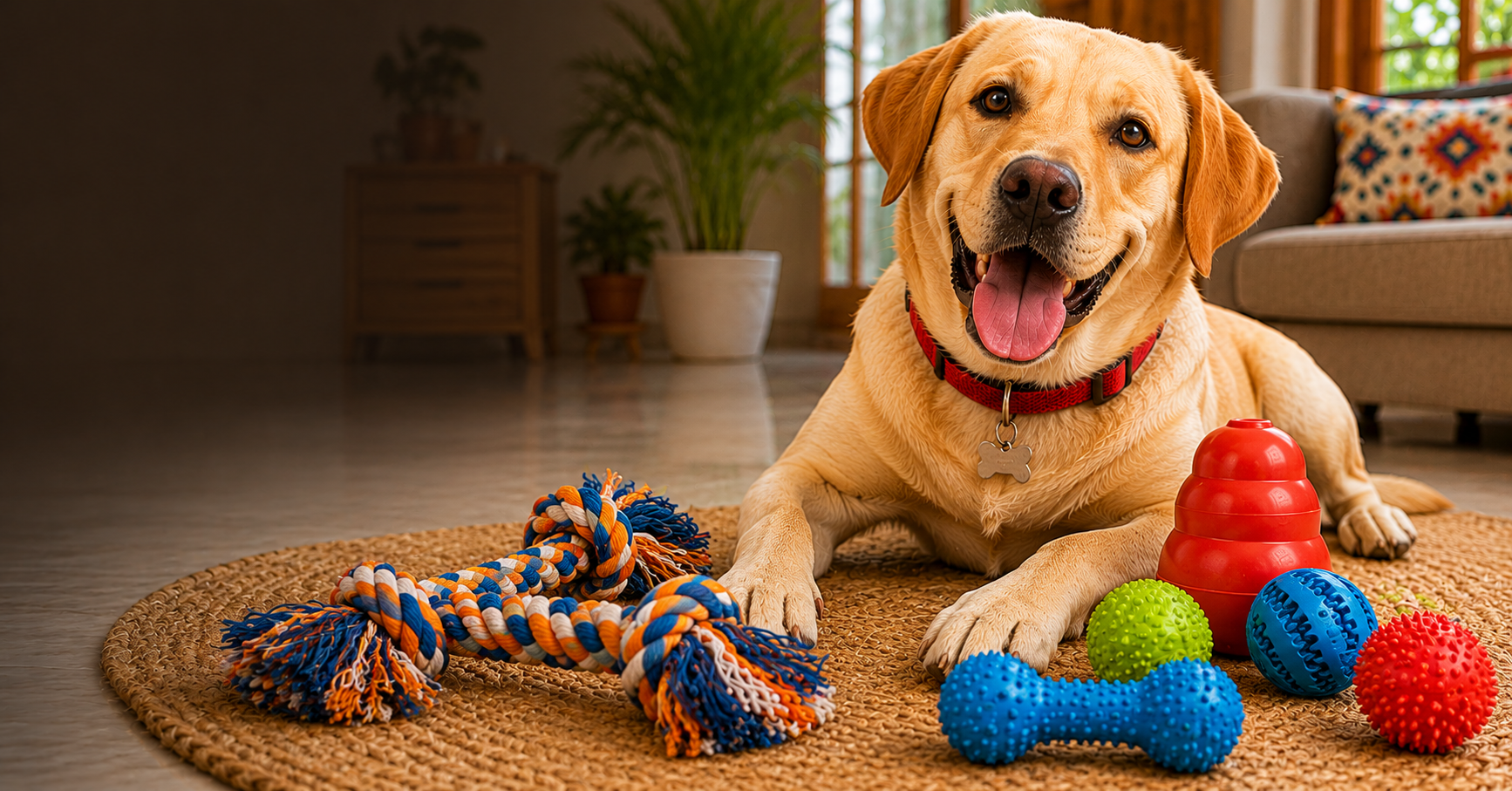

If your Labrador has destroyed another slipper, buying the toughest-looking toy on Amazon.in can feel like the obvious answer. It isn’t always the safest one.
The rope toys vs rubber toys for dogs in India question comes up often because both options are easy to find and serve different purposes. Rope feels natural for tug. Rubber is usually easier to wash and can hold treats. Yet either toy can become dangerous when it is too small, badly made, damaged, or left with the wrong dog without supervision.
For most dogs, a well-sized rubber toy with some flexibility is the safer everyday choice. A rope toy can still be excellent for supervised tug games. I just wouldn’t treat rope as an all-day chew toy for a dog that pulls out and swallows threads.
That distinction matters more than the label on the packet.
Rope Toys vs Rubber Toys for Dogs in India: The Short Answer
Choose a rope toy when you want to play tug, practise “take it” and “drop it,” or give a gentle chewer a short interactive session. Put it away when the game ends. Loose strands, torn knots, and missing fibres mean the toy should be retired.
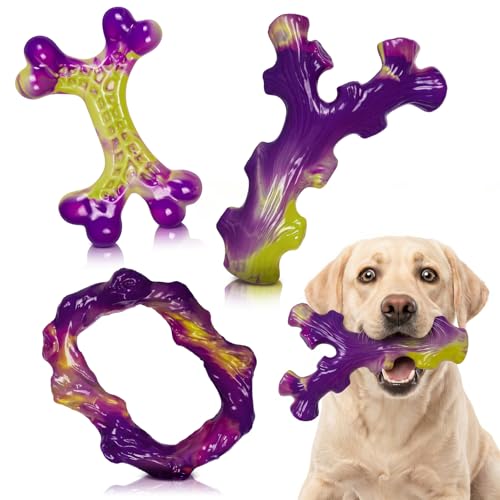
Choose a rubber toy when your dog needs a chew or food-enrichment activity. Look for a reputable product that is large enough not to enter the mouth completely, firm enough to resist tearing, and flexible enough to give under pressure. Inspect it after every few sessions.
Rubber wins as the better general-purpose option for many Indian homes. It is easier to rinse after a messy filling, doesn’t absorb saliva like cotton, and usually suits apartment enrichment better. Still, “rubber” isn’t a safety guarantee. A thin latex squeaker and a thick food-stuffable rubber toy behave very differently.
No dog toy is completely safe. Your dog’s chewing style decides how closely you need to supervise.
Quick Safety Comparison

Prices vary by size, seller, import cost, and availability. A higher price also doesn’t prove that a toy is safer. Material quality, correct sizing, flexibility, and condition tell you much more than an Amazon star rating.
What Makes a Dog Toy Safe?
A safe toy should be too large to swallow, but not so heavy or awkward that your dog can’t hold it comfortably. Avoid relying only on breed labels such as “for Labradors.” A small adult Labrador and a large male Labrador may need different sizes. If the complete toy can sit inside your dog’s mouth, choose a larger one.
Flexibility matters too. Veterinary guidance warns against extremely hard chews, including hard nylon, because they can fracture teeth. A practical screening method is to reject a chew that has no bend or give when pressed. This isn’t a perfect home test, but it helps you avoid rigid products that feel closer to bone than rubber. VCA advises avoiding chew items that don’t readily bend.
Your dog’s behaviour is the next check. Some dogs gently mouth toys for months. Others use their back teeth to cut pieces off in minutes. An “aggressive chewer” label can’t predict what your individual dog will do, so watch the first few sessions from start to finish.
Condition matters every day. Replace a toy when you see deep cracks, missing chunks, exposed squeakers, sharp edges, unravelled fibres, or a size reduction that could make it swallowable. If you can’t tell whether a piece is missing, take the toy away and check the area around your dog.
Are Rope Toys Safe for Dogs?
Rope toys can be safe when you use them for the job they do best: playing together.
A thick rope gives you and your dog a comfortable grip during tug. It can also support impulse-control training. Ask your dog to wait, invite them to take the toy, play for 10 to 20 seconds, then pause and reward a clean “drop it.” This turns a basic toy into a useful dog-training session without needing much space.
The risk begins when chewing replaces tugging. A dog that settles down and strips the rope can swallow cotton or synthetic strands. String-like material may cause serious digestive injury or obstruction. Any dog can swallow toy pieces, and VCA recommends removing toys that are breaking apart or have missing sections. Its puppy-toy guidance also stresses supervision.
Don’t assume cotton becomes harmless inside the stomach because it sounds natural. “Natural” describes the source of the fibre, not what happens after a long strand is swallowed.
Moisture is another practical concern in India. Rope absorbs saliva, food, floor dirt, and water. During monsoon months in Mumbai, Kochi, or Hyderabad, a thick knot can remain damp inside even when the surface feels dry. Wash it according to the maker’s instructions, dry it completely in a ventilated place, and stop using it if it smells musty or won’t dry properly.
I see rope as sports equipment, not furniture for the dog. Bring it out for a game, check it, then store it away.
Are Rubber Toys Safer for Dogs?
For many adult dogs, a durable rubber toy is the safer everyday option. It doesn’t unravel, usually has some tooth-friendly give, and can be washed after use. Food-stuffable designs also help dogs stay occupied during a work call or a rainy afternoon.
Rubber isn’t one standard material, though. Thin squeaky latex may suit a gentle puppy but fail quickly with an adult Indie, Labrador, GSD, Rottweiler, or Beagle that likes to dissect toys. A thicker rubber toy may last longer, but even that needs the correct size and regular checks.
Smell alone isn’t a reliable quality test, since some rubber products naturally have an odour. Still, I would avoid a toy with unclear labelling, sticky residue, flaking colour, oily surfaces, or a chemical smell that remains strong after washing. Buy from a traceable brand or seller, read the care instructions, and don’t leave any toy baking on a sunny balcony or inside a hot car.
For food enrichment, start easy. Add part of your dog’s normal meal, loosely packed, and let them learn how the toy works. Once they understand it, you can make the filling harder to remove. Count those calories in the daily food allowance. Peanut butter is popular, but it must not contain xylitol, which is toxic to dogs. Plain soaked kibble or dog-safe wet food is often simpler.
Wash the toy after food use. In Indian heat, leftover paneer, curd, meat, or wet food can spoil quickly. Check hollow sections and grooves rather than rinsing only the outside.
Rubber is my general winner, but the right verdict is “safer when correctly chosen and maintained,” not “safe in every situation.”
Cotton Rope Toys: When They Work and When They Don’t
Cotton rope suits dogs that enjoy tugging without trying to eat the toy. It is also useful for owners who actively participate in play. A 10-minute tug session can offer movement, focus, and interaction in a compact flat, although it doesn’t replace a walk or sniffing time.
Puppies may enjoy the woven texture, but teething doesn’t make thread ingestion safe. Keep the session short and stop if the puppy starts pulling fibres out with the front teeth. Don’t leave a wet rope in the toy basket, where it can soil other toys.
Avoid rope as an unsupervised option for shredders, dogs with a history of swallowing fabric, or dogs that guard objects and won’t release damaged pieces. A multi-dog home also needs extra care because dogs can pull more forcefully and fights may start over a high-value toy.
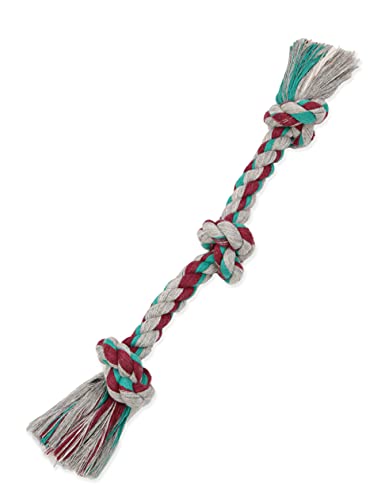
- INTERACTIVE FUN: Designed for playing tug of war with dogs, this knotted rope dog toy is perfect for tossing, catching a…
- SAFE & NON-TOXIC: Made from premium North American Cotton-Poly yarns finished with sturdy knots, these Mammoth colorful …
- TOSS, TUG, FLOSS!: This dog chew toy is great for easy dog teeth cleaning, naturally supporting your pup’s oral health -…
Replace the rope before the knot opens. Waiting until it looks completely destroyed is too late.
Durable Rubber Toys: The Best All-Round Choice for Many Dogs
A good rubber toy can serve several jobs. Your dog can chew it, chase it, lick food from it, or work out how to empty it. That makes it useful for Indian apartment life, where owners often need quiet indoor activities between walks.
Choose the rubber grade around the dog in front of you. Puppies and senior dogs may need a softer product. Strong adult chewers may need a thicker version, but harder isn’t always better. Your dog should be able to engage with it without the toy feeling like a stone against the teeth.
Food-stuffable rubber works particularly well before predictable quiet periods. Give it after a morning walk while you start work, or during dinner so your dog has an appropriate activity. At first, supervise the entire session. If your dog licks and chews without tearing pieces off, you can gradually allow a little more independence while staying nearby.
Remove the toy when it becomes small enough to swallow or develops a split. Rubber can last for months in one home and minutes in another. Ignore lifetime promises and judge the actual damage.
Hard Nylon Toys: Durable Doesn’t Mean Safer
Hard nylon is often sold as the answer for dogs that destroy everything. It may last longer than rope or latex, but durability alone is a poor safety standard.
The concern is dental damage. Veterinary sources specifically identify hard nylon chews among the objects that may fracture a dog’s teeth. VCA’s dental guidance says chew toys should bend and give under pressure. A broken tooth is painful and may require extraction or root-canal treatment.
I wouldn’t recommend rigid nylon as the default choice for a power chewer. That sounds counter-intuitive, but the dog with the strongest bite can place the greatest force on a hard object. A durable rubber toy with some flex may be kinder to the teeth.
- Train your pet to get urine/potty trained with or without hiring any dog/cat trainers. How long will it take to train th…
- Connect with our specialized customer care pet parents before using the potty spray for effective and quicker results.
- This spray also helps a pet in marking or setting a spot for potty / urine location. Steps involved – Read description t…
If your veterinarian approves a particular nylon product for your dog, inspect it for rough or sharp areas and follow its replacement instructions. Puppies, seniors, dogs with worn teeth, and dogs with previous dental fractures need more caution.
Soft Latex Toys: Good Fun for Gentle Dogs
Latex toys are light, soft, and often quieter on tiled floors. That can make them pleasant for puppies, senior dogs, and gentle players in flats. Many include squeakers, which can make short play sessions more engaging.
Their weakness is durability. A dog that targets seams or squeakers may open one quickly. Once the squeaker, stuffing, or torn latex becomes accessible, remove the toy. Don’t wait for the dog to finish pulling it apart.
Latex is best for supervised fetching or gentle squeaking. It isn’t a sensible chew toy for a Labrador that systematically dismantles soft toys.
How to Choose Between Rope and Rubber for Your Dog
Start with what your dog actually does. If they carry toys gently and enjoy playing with you, a rope toy can be a good addition. If they settle down to chew, lick, or work for food, rubber is usually the better starting point. If they rip and swallow material, neither option should be given without close supervision.
Next, choose a size that can’t pass fully into the mouth. Check the manufacturer’s weight and size guidance, but use it as a starting point. Move up a size if you are between options or worried about swallowing. The toy still needs to be manageable for the dog’s jaw.
Then run a first-session test. Watch for 10 to 15 minutes. Is your dog tugging, licking, and chewing normally, or trying to cut off one specific section? Look at the toy immediately afterwards. Deep tooth marks, fraying, cracks, and missing material tell you that the match is wrong.
Finally, match the toy to a job. Keep rope for tug. Use food-stuffable rubber for calm enrichment. Use balls for interactive fetch, not constant chewing. A toy becomes safer when you decide when it appears and when it goes away.
A Simple Toy-Care Routine for Indian Homes
Check active chew toys every day. This takes less than a minute. Run your fingers over the surface, pull gently at seams or rope ends, and compare the toy with an older photo if you aren’t sure how much material has disappeared.
Wash rubber after food fillings and dry it fully. Clean rope according to its label and make sure the centre of the knot dries, especially during monsoon season. Don’t share toys between unfamiliar dogs unless they have been cleaned, and don’t leave wet products in a closed plastic basket.
Rotate two or three suitable toys instead of keeping a large pile on the floor. Rotation makes old toys interesting again and helps you notice damage sooner. It also prevents a torn toy from disappearing under the sofa for weeks.
Keep every toy away from direct balcony heat when it isn’t being used. If the material becomes sticky, brittle, faded, cracked, or misshapen, replace it.
When Swallowing a Toy Piece Becomes an Emergency
If your dog is choking, struggling to breathe, repeatedly gagging, collapsing, or showing blue or pale gums, seek emergency veterinary help immediately.
After a suspected swallowed piece, contact your veterinarian rather than waiting for symptoms. Warning signs can include repeated vomiting, loss of appetite, low energy, abdominal pain, straining to pass stool, or producing very little stool. Don’t pull a visible string from your dog’s mouth or bottom because it may be caught internally. Don’t induce vomiting unless a veterinarian specifically tells you to do so.
Save the remaining toy or take a clear photo. Knowing the missing material and approximate size can help the vet assess the situation.
Rope Toys vs Rubber Toys for Dogs: Final Verdict
For most Indian dogs, I would choose a correctly sized, flexible rubber toy as the main chewing and enrichment option. It is generally easier to clean, doesn’t produce long fibres, and can support quiet indoor activity. You still need to supervise the first sessions and replace it when pieces start coming off.
Rope remains a useful second toy. It is excellent for short tug games, training, and interaction. Put it away once play ends, especially if your dog likes to shred fabric or swallow strings.
I would place hard nylon behind both options because tooth fractures are a real concern. Soft latex can work for puppies and gentle dogs, but it needs close supervision due to its lower durability.
So, are rubber toys safer than rope toys? Often, yes. But material alone can’t protect your dog. The safest setup combines the right size, some flexibility, a trustworthy product, regular inspection, and supervision based on your dog’s habits.
That is the honest answer I would give any Indian dog owner.