






What Is Destructive separation behaviour and Why Does It Happen?
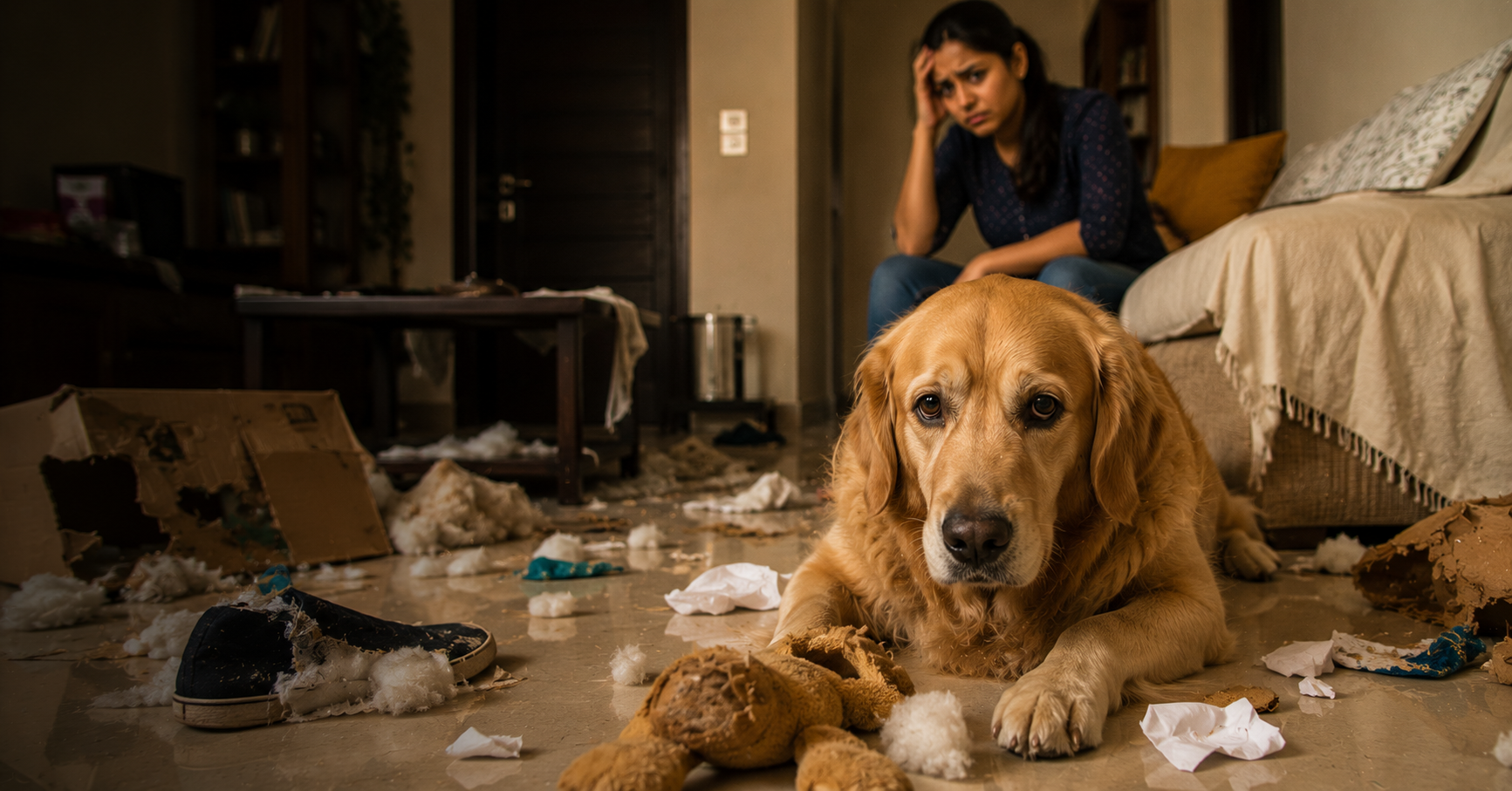
Priya from Chennai opened her apartment door after work and just froze. The entire room showed sofa foam spread throughout the area. One slipper missing. TV remote destroyed. Her Golden Retriever stood near the dining table looking stressed and guilty at the same time. She honestly thought her dog was “taking revenge” for being left alone. A lot of Indian dog owners feel that way when their dog destroys things when alone, especially in flats where damage feels impossible to ignore.
The primary cause of destructive separation behavior in dogs emerges from their alarm state instead of their anger response. Dogs don’t sit there planning chaos like humans imagine. Your dog experiences fear because you leave them alone which resembles how people suddenly find themselves in busy train stations without any idea where their loved ones went. Some dogs bark. Others chew furniture. A few dogs use their paws to scratch doors until their paws develop pain. The costs will start to accumulate at an alarming rate.
Is Destructive separation behaviour Normal in Indian Dogs?
The situation seems perfectly normal. The situation seems perfectly normal.
I have observed this issue with dog behavior in apartments of Chennai and flats of Bengaluru and in Pune homes where dogs continued to chew doors after their owners left. Indian dog owners tend to start self-blame process before they look for other reasons to explain the situation. They believe their affection levels exceeded normal limits while their dog training approaches showed no signs of success. Most of the time, that simply isn’t true.
The Golden Retriever which belonged to Rohan from Chennai used to destroy cushions every day when he left for work. The man needed to spend Rs. 18,000 to replace his furniture during the six-month period. The man believed his dog developed stubbornness which he called “dominant” behavior. The dog developed extreme anxiety because its work schedule shifted completely when the owner returned to office operations after working from home.
Apartment dogs face additional challenges in their daily lives. The elevator produces loud sounds which create a noisy environment. People walk past doors which they see every day. Delivery bells ring all day. Dogs stay alert for hours in those environments. Indie dogs together with other Indian breeds develop anxiety when they stay indoors because they never master the ability to stay calm when left alone.
Some dogs possess an emotional sensitivity which exists as their natural state. Same as people. The Labrador dog finds rest through its solo sleeping pattern. The second dog becomes panicked after its five minutes have passed. Strange creatures sometimes.
Top Reasons Your Dog Has Destructive separation behaviour Problems
People must deal with major life adjustments which happen without warning. People and their dogs developed a strange new relationship during lockdown because they spent every day together. The office-based schedule returned at full speed after the owners decided to bring back their staff members. Dogs who used to spend their entire day sleeping with humans now needed to spend eight or nine hours alone inside their apartments. The change left them completely baffled.
People need to find their mental limits because this represents the main reason which blocks them from getting enough mental stimulation. People can benefit from walking long distances although it serves as a helpful method. Physical exercise helps dogs but it fails to fix their destructive behavior completely. I know Golden Retrievers in Chennai who walk daily yet still chew doors because their brains remain restless and overstimulated indoors. Dogs reach their highest level of exhaustion through obedience training and scent detection activities which surpass their response to typical neighborhood walks.
The life in Indian apartments creates various kinds of stress for people who live there. Loud traffic. Scooters. Neighbours arguing outside. Pressure cooker whistles. Dogs who possess sensitive nature maintain their alert status throughout the entire day. The environment leads to quick development of anxiety when it stays unoccupied. Active dogs face limited space in smaller apartments which creates challenges for their daily activities.
Most dog owners fail to predict this occurrence. People who develop too strong of an attachment to someone else create this issue. Your dog becomes dependent on you completely because it follows you everywhere and sleeps at your feet and refuses to spend any time by itself. The situation becomes chaotic as soon as you exit the building. The majority of trainers fail to understand this concept because they advise owners to boost their dogs’ attention every time they show signs of anxiety.
Heat creates additional problems which make the situation more difficult. The indoor heat of Chennai summers reaches its peak during power outages and when the weather becomes extremely humid. Some anxious dogs chew because their physical state produces the same level of stress as their emotional condition. Small environmental changes matter more than people think.
Common Mistakes Indian Dog Owners Make With Destructive separation behaviour
The biggest mistake is punishing destruction after coming home. Owners see chewed furniture and immediately scold the dog. The situation makes me feel upset. You should believe me. But dogs don’t connect your anger to the earlier chewing. They watch an angry human who returns home without any warning. The system creates more stress when you leave and when you return to your home.
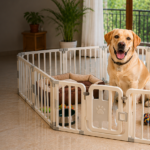
People need to conduct their first training sessions for freedom management which they should apply at the beginning of their training period. People believe that allowing dogs to access the entire flat space leads them to experience a sense of freedom. The two things occur in opposite directions at times. The need for additional space enables animals to perform more pacing activities and produces more monitoring sounds and creates more chances for property damage. A small secure area which remains calm usually proves to be more effective as the first step.
Many Indian dog owners also create emotional departures without realising it. The dog receives multiple hugs from them before they depart while they express their grief through words and then vanish without notice. Dogs pick up tension instantly. Your dog will create emotional emergencies from your departures because you feel worried every morning.
But the mistake I personally hate most is trainers recommending punishment collars or harsh “discipline”. Fear doesn’t fix fear. The operation produces a decrease in volume which triggers an escalation of anxious feelings. Dogs which tend to bark loudly do not always show signs of being peaceful. Big difference there.
How to Stop Destructive separation behaviour in Dogs – Step by Step
Step 1: Identify the Real Trigger
Watch your dog carefully before changing anything.
The sound of keys makes dogs react differently. People experience shock when they observe office shoes appearing in their surroundings. People start to develop nervousness when they hear the elevator door closing in the hallway. Spend three days observing patterns closely. People fail to understand the true value which exists in small details.
My Labrador used to panic the moment I picked up my backpack. Weirdly specific.
Step 2: Practice Tiny Departures First
Start small. Very small.
I stepped outside of my apartment for thirty seconds before I came back with complete calmness. The exercise needs to be done multiple times each day for seven days. Then slowly increase to one minute, three minutes, and eventually longer absences. Don’t suddenly jump from five minutes to three hours because training seemed “fine” one day.
Rohan from Chennai improved his Golden Retriever’s behaviour massively using short practice sessions before office hours.
Step 3: Stop Rewarding Panic Behaviour
I felt uncomfortable when I started working on this section.
Stop giving immediate comfort to your dog when they make any small movement after you stand up. Calm reassurance is fine. Emotional panic responses aren’t. Dogs learn from repeated patterns. The anxiety process which receives excessive emotional focus will lead to increased nervous behaviors.
But you must pay attention to actual distress signs. The situation needs to maintain its equilibrium.
Step 4: Create a Calm Indoor Routine
Dogs achieve better relaxation through predictable daily routines.
Feed meals at similar times daily. Practice short dog training sessions morning and evening. Use simple dog obedience cues like “place” or “stay” before leaving the house. Predictable routines help anxious dogs feel emotionally safer.
The fans together with cooling mats provide relief during the hot weather which people in Chennai experience. I underestimated this for years. My dog settled noticeably faster once airflow improved inside the apartment.
Step 5: Use Brain Work Before Leaving
The world shifts when people engage in mental activities.
Ten minutes of sniffing games, food puzzles, or training drills before departures can reduce destructive behaviour dramatically. A tired brain handles alone time better. Puzzle toys which contain treats serve as distractions for dogs during their first anxious minutes when their owner leaves the house.
The method worked better for me than walking around for hours.
Step 6: Remove Constant Following Habits
Dogs need independence practice indoors first.
Ask your dog to stay on a mat while you move into another room briefly. Return before panic begins. Gradually increase distance and time. Emotional confidence develops slowly through repetition.
This sounds simple. It isn’t easy.
Most Indian households keep their dogs close to all their activities at all times because they want to show love but this practice makes dogs more dependent than needed.
Step 7: Make Departures Boring
Leave calmly. Return calmly.
The presentation needs no emotional speeches. The speaker should avoid using facial expressions which demonstrate guilt. The speaker needs to avoid any emotional physical contact with their office coworkers. Dogs learn through peaceful departures which show them that normal daily activities do not create frightening emotional experiences.
The initial assessment seemed too severe to me when I first encountered it. The method demonstrated excellent performance through its operational period.
How Long Does It Take to Fix Destructive separation behaviour in Dogs?
Depends on the severity.
Your dog will continue to damage items and bark during its first three days of being alone. The results of training do not show any signs of failure. You need to build up your new schedule while teaching your dog to handle emotional breakdowns through step-by-step training.
Most dogs begin to show small signs of improvement during their first week of training. The dogs reduce their pacing behavior while they show shorter barking periods. The number of broken objects has decreased. This place values each minor achievement as a vital success.
After one month of consistent work, most dogs handle alone time much better if the anxiety wasn’t deeply rooted already. The process of treating severe cases which show continuous destruction or self-injury behavior will extend through multiple months because these dogs have been practicing panic behaviors for several years.
Stick with the process.
Your dog isn’t trying to ruin your furniture personally. The people in question face emotional challenges. Big difference, honestly.
Best Dog Behaviour Training Course for Destructive separation behaviour Problems
The procedure functions effectively for all types of dogs. The training program needs to become more structured when dogs develop destructive habits which continue for multiple weeks or months after their owners return home. The Brain Training for Dogs program which Adrienne Farricelli developed as a certified trainer stands as my top recommendation. The program uses scientific methods which avoid punishment to solve dog behavior problems at their fundamental cause.
The program has helped thousands of dog owners achieve success with chewing issues and anxiety problems and barking and destructive behavior. The training process becomes more effective when you use puzzle toys because dogs who stay mentally active tend to settle down faster when you leave them alone. Some dogs improve gradually. Others surprise you within weeks. Funny how that works sometimes.
At what age do dogs stop destroying everything?
Most dogs reduce destructive behavior by around 12 to 24 months of age, as they mature and settle with proper training. However, chewing or destruction may continue if a dog is bored, anxious, or under-exercised. Consistent training, exercise, and mental stimulation are key to long-term improvement.
How do I get my dog to stop destroying things when left alone?
To stop destructive behavior when left alone, give your dog puzzle toys or food-filled toys to keep them mentally occupied. Remove access to valuable items and use chew deterrent sprays if needed. Regular exercise and mental stimulation before leaving also help reduce boredom-related chewing.
What is the most destructive breed of dog?
There is no single “most destructive” dog breed, as destructive behavior usually depends on boredom, lack of exercise, and separation anxiety. However, high-energy breeds like Border Collies, Huskies, and Jack Russell Terriers may show more destructive behavior if their physical and mental needs are not met
Can you train a dog not to be destructive?
Yes, you can train a dog to stop destructive behavior with consistent training and proper management. Destructive habits usually come from boredom, anxiety, or lack of exercise. Providing daily physical activity, mental stimulation, and structured training helps reduce and prevent unwanted chewing and damage over time.
How to discipline destructive dogs?
To discipline a destructive dog, avoid punishment or yelling as it doesn’t fix behavior. If caught in the act, calmly stop them, redirect to an approved chew toy, and reward the correct behavior. Consistency helps your dog learn what is acceptable over time.
How to correct destructive behaviour in dogs?
To correct destructive behavior in dogs, use a combination of management, exercise, and positive reinforcement. Identify the cause such as boredom, anxiety, or teething, then provide more mental stimulation and physical activity. Redirect unwanted chewing to approved toys and reward correct behavior consistently to build better habits over time