




Training a dog at home can be a fun and rewarding experience for both you and your furry companion. Whether you have a new puppy or an older dog, the right training techniques can help you establish a strong bond and teach your dog important skills and behaviors. With a little patience, consistency, and positive reinforcement, you can train your dog to be a well-behaved and obedient companion.
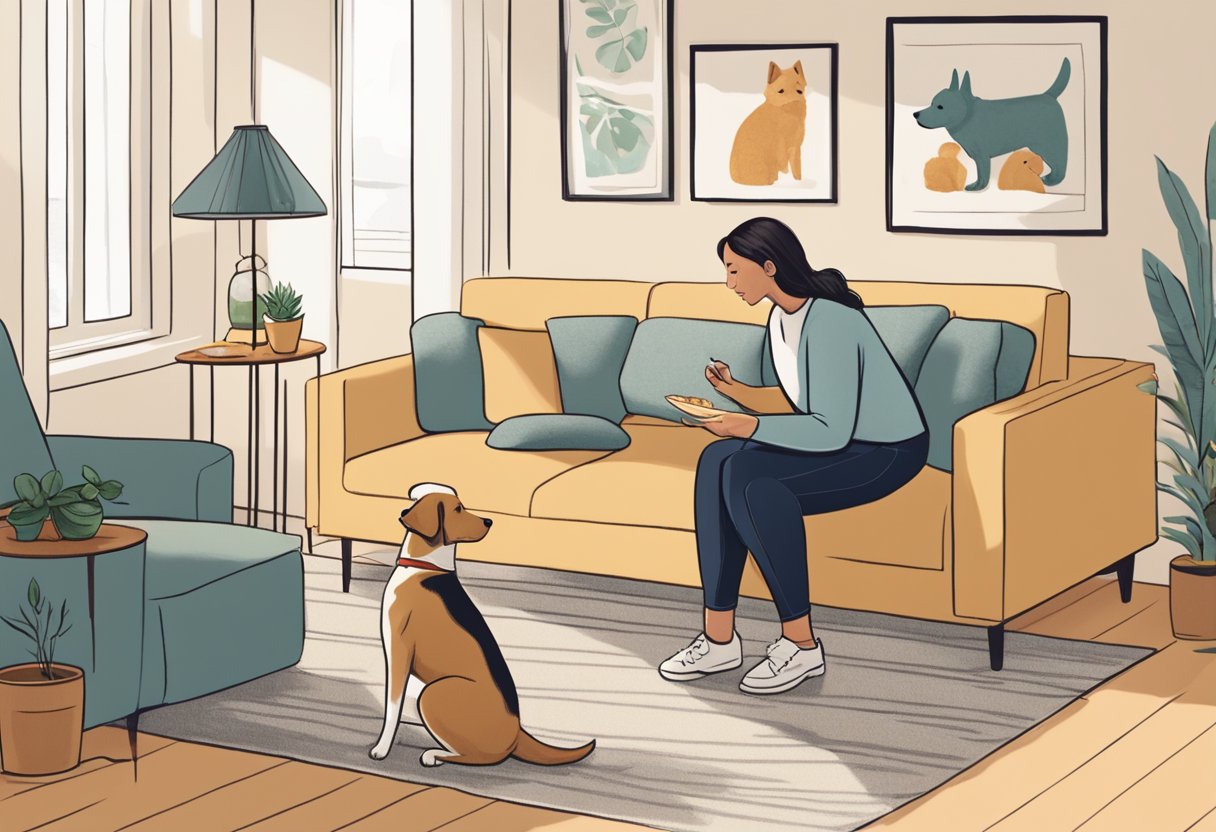
Getting started with dog training can seem overwhelming, but it doesn’t have to be. The first step is to establish a strong foundation of basic obedience training, which includes teaching your dog to sit, stay, come, and heel. From there, you can move on to more advanced training techniques and address any behavioral issues that may arise.
House training your dog is another important aspect of training that can be done at home. By establishing a routine and using positive reinforcement, you can teach your dog to eliminate outside and avoid accidents inside. With the right techniques and a little patience, you can successfully train your dog at home and enjoy a happy and healthy relationship with your furry friend.
Key Takeaways
- Establish a strong foundation of basic obedience training
- Use positive reinforcement to train your dog
- Be patient and consistent in your training efforts
Getting Started with Dog Training
Training your dog at home can be a rewarding experience for both you and your furry friend. However, it requires a lot of patience, consistency, and effort. In this section, we will discuss some essential steps to help you get started with dog training.
Understanding Your Dog’s Behavior
Before you start training your dog, it’s important to understand their behavior. Dogs are social animals, and they thrive on routine and structure. They also respond well to positive reinforcement, which means rewarding good behavior instead of punishing bad behavior.
Creating a Training Schedule
Creating a training schedule is crucial for successful dog training. You should set aside a specific time each day for training, and stick to it. Consistency is key when it comes to dog training. You should also keep training sessions short and sweet, no longer than 10-15 minutes at a time. This will help your dog stay focused and engaged.
Essential Training Supplies
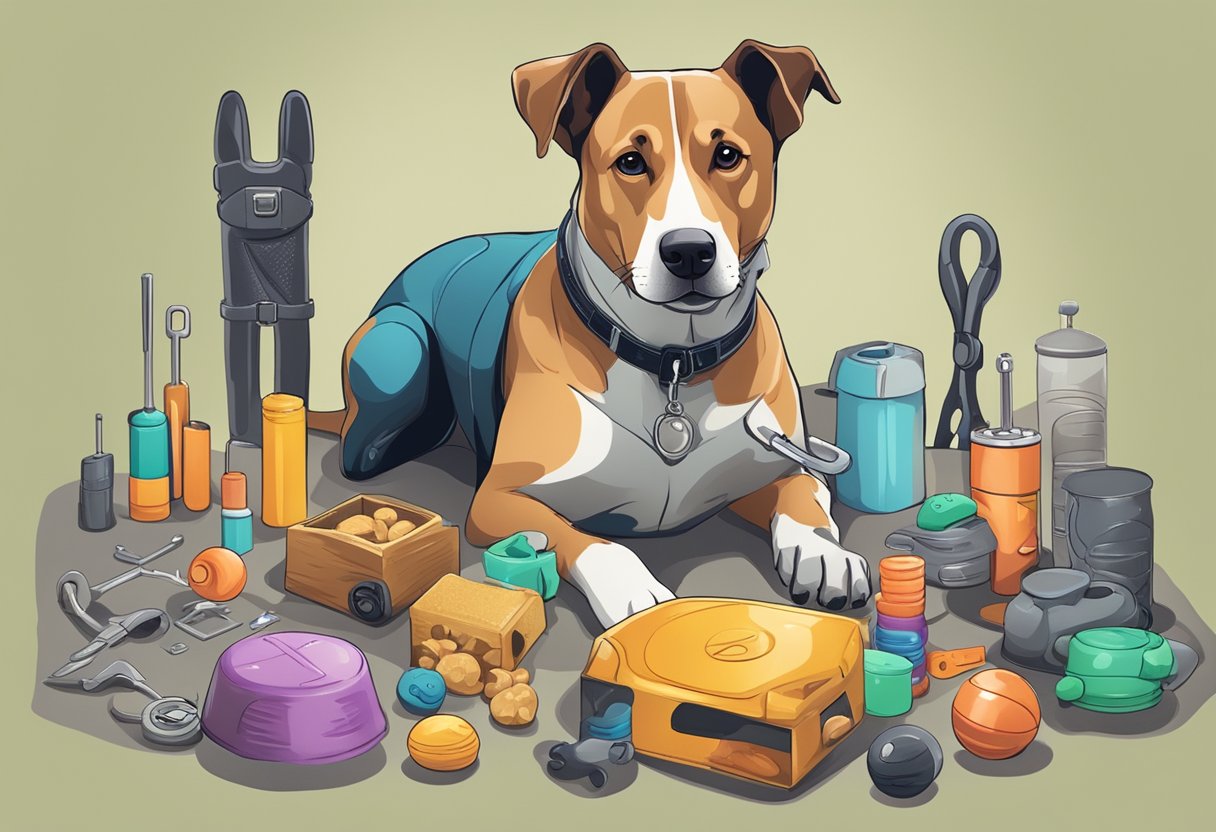
There are several essential training supplies that you will need to train your dog at home. These include:
- High-value treats: These are treats that your dog really loves and will work hard to get. Examples include small pieces of cheese, chicken, or hot dogs.
- Clicker: A clicker is a training tool that makes a distinct clicking sound when pressed. It’s used to mark the exact moment your dog performs a desired action, and then followed by a reward.
- Leash and collar: A leash and collar are essential for teaching your dog to walk on a leash and for keeping them safe when outside.
- Treat pouch: A treat pouch is a small bag that you can wear around your waist or attach to your belt. It’s used to hold treats during training sessions, so you can easily access them when needed.
By understanding your dog’s behavior, creating a training schedule, and having the essential training supplies, you can start training your dog at home with confidence. Remember to be patient, use positive reinforcement, and reward good behavior. With time and effort, your dog will learn new skills and behaviors that will make them a well-behaved and happy companion.
Basic Obedience Training
Basic obedience training is an essential part of dog training. It teaches your dog to follow simple commands and behave in a predictable manner. Here are some essential aspects of basic obedience training.
Teaching Basic Commands
Teaching basic commands such as sit, stay, come, and heel is the foundation of obedience training. Dogs need to learn these commands to be well-behaved and safe. To teach these commands, use a verbal cue and a hand signal consistently.
For example, to teach the “sit” command, hold a treat near the dog’s nose and move it up and back over its head. As the dog follows the treat, its rear end will lower to the ground. Once the dog is in a sitting position, say “sit” and give it the treat.
The Role of Positive Reinforcement
Positive reinforcement is a key component of dog training. It involves rewarding good behavior with praise, affection, or treats. Positive reinforcement is highly effective and helps to build a strong bond between the dog and its owner.
When training a dog, it’s important to focus on positive reinforcement. When the dog performs a desired behavior, immediately praise it and give it a treat. This helps the dog to associate the behavior with positive outcomes.
Importance of Consistency
Consistency is essential in dog training. Dogs need to learn that certain behaviors are always rewarded, while others are not. This requires consistent training and reinforcement.
To be consistent, establish clear rules and stick to them. Use the same verbal cues and hand signals every time you train your dog. Also, make sure that everyone in the household is on the same page. Inconsistency can confuse the dog and make training more difficult.
In conclusion, basic obedience training is crucial for a well-behaved and safe dog. By teaching basic commands, using positive reinforcement, and maintaining consistency, owners can help their dogs become well-trained and happy members of the family.
House Training Your Dog
House training is one of the most important aspects of dog training. It is essential to teach your dog where and when to relieve themselves. This section will cover the fundamentals of potty training, crate training, and managing and preventing accidents.
Potty Training Fundamentals
Potty training your dog involves setting a routine for feeding and taking them outside to eliminate. The first step is to establish a regular feeding schedule and take your dog outside after every meal. Consistency is key when it comes to potty training. Take your dog outside frequently, especially after naps and playtime.
Another important aspect of potty training is to reward your dog for good behavior. Praise and treats can help reinforce the desired behavior and encourage your dog to continue going outside.
Crate Training Basics
Crate training is another effective way to house train your dog. Dogs are den animals, and crates provide a safe and comfortable space for them to rest and relax. Introduce your dog to the crate gradually, using positive reinforcement to encourage them to enter the crate willingly. Make sure the crate is the appropriate size for your dog and provide comfortable bedding.
Crate training can also help prevent accidents by restricting your dog’s access to the rest of the house when you are not able to supervise them. However, it is essential to avoid using the crate as a punishment or leaving your dog in the crate for extended periods.
Managing and Preventing Accidents
Accidents are bound to happen during the house training process, but there are steps you can take to manage and prevent them. Keep a close eye on your dog and watch for signs that they need to go outside, such as pacing or sniffing around. If you catch your dog in the act of eliminating inside, interrupt them with a sharp noise and immediately take them outside.
It is also important to thoroughly clean up any accidents to remove the scent and discourage your dog from eliminating in the same spot. Use an enzymatic cleaner specifically designed for pet messes.
In conclusion, house training your dog is an essential part of their overall training. By establishing a routine, using positive reinforcement, and managing accidents, you can successfully potty train and crate train your dog.
Advanced Training Techniques
Once your dog has mastered basic commands and behaviors, it’s time to move on to more advanced training techniques. These techniques can help your dog develop more skills and improve their behavior in a variety of situations. Here are some advanced training techniques to consider:
Leash Training and Outdoor Behavior
Leash training is an important skill for dogs to learn, as it can help keep them safe and under control when outside. To leash train your dog, start by getting them used to wearing a collar or harness. Then, gradually introduce them to the leash, letting them get used to the weight and feel of it before taking them outside.
Once your dog is comfortable on the leash, you can start working on their outdoor behavior. This includes teaching them to walk calmly beside you, not to pull on the leash, and to ignore distractions like other dogs or people. Outdoor behavior training can be a great way to provide exercise and playtime for your dog while also reinforcing good behavior.
Teaching Tricks and Complex Commands
Teaching your dog tricks and complex commands can be a fun way to challenge them mentally and physically. Some popular tricks to teach include rolling over, playing dead, and giving paw. Complex commands like “stay” and “come” can also be useful in a variety of situations.
When teaching tricks and complex commands, it’s important to break them down into small, manageable steps. Use positive reinforcement techniques like treats and praise to encourage your dog to learn and master each step before moving on to the next.
Proofing Behavior in Various Environments
Proofing your dog’s behavior means teaching them to behave appropriately in a variety of environments and situations. This can include practicing commands and behaviors in different locations, around different people and animals, and in different levels of distraction.
To proof your dog’s behavior, start by practicing in low-distraction environments and gradually work your way up to more challenging situations. Be patient and consistent, and use positive reinforcement techniques to encourage good behavior.
By incorporating these advanced training techniques into your dog’s training routine, you can help them develop new skills, improve their behavior, and provide them with additional exercise and playtime opportunities.
Addressing Behavioral Issues
Training a dog at home can be challenging, especially when dealing with behavioral issues. However, with patience and consistency, these issues can be addressed effectively. Here are some tips on how to address common behavioral issues in dogs.
Dealing with Barking and Chewing
Barking and chewing are common behavioral issues in dogs. Dogs bark for various reasons, including boredom, attention-seeking, anxiety, and fear. To reduce barking, it is essential to determine the cause of the barking. If the dog is barking due to boredom, provide them with toys to play with. If the dog is barking due to anxiety, try to identify the source of the anxiety and address it.
Chewing is another common issue in dogs, especially in puppies. Puppies chew to relieve teething pain, explore their environment, and alleviate boredom. To prevent destructive chewing, provide the puppy with appropriate chew toys and supervise them when they are playing. If an adult dog is chewing destructively, it may be due to anxiety or boredom. In this case, providing them with appropriate toys and regular exercise can help alleviate the behavior.
Correcting Aggression and Fear-Based Behaviors
Aggression and fear-based behaviors are serious issues that require immediate attention. Punishment is not an effective way to address these behaviors and can make the situation worse. The best way to address aggression and fear-based behaviors is to identify the cause of the behavior and address it accordingly.
If the dog is aggressive towards people or other dogs, it may be due to fear or lack of socialization. In this case, it is essential to work with a professional dog trainer to address the behavior. The trainer can help the dog learn appropriate socialization skills and desensitize them to the triggers that cause the aggression.
If the dog is fearful, it is important to identify the source of the fear and work to desensitize the dog to it. This can be done through positive reinforcement training, where the dog is rewarded for calm behavior in the presence of the feared object or situation.
In conclusion, addressing behavioral issues in dogs requires patience, consistency, and a clear understanding of the cause of the behavior. By following these tips, dog owners can effectively address behavioral issues and create a harmonious relationship with their furry friend.
Frequently Asked Questions
What are the essential commands every dog should learn for basic obedience?
Every dog should learn basic obedience commands such as sit, stay, come, down, and leave it. These commands can help keep your dog safe and well-behaved in a variety of situations.
How can positive reinforcement be used effectively in dog training?
Positive reinforcement is a powerful tool in dog training. It involves rewarding your dog for good behavior and ignoring or redirecting bad behavior. This can be done with treats, toys, praise, or affection. Positive reinforcement can help build a strong bond between you and your dog and make training more enjoyable for both of you.
What are the steps to house train a puppy successfully?
House training a puppy can take time and patience, but it is an important part of owning a dog. The key is to establish a routine and be consistent with your training. Take your puppy outside frequently, especially after meals, naps, and playtime. Reward your puppy for going potty outside and supervise them indoors to prevent accidents.
Which training tools are recommended for at-home dog training?
There are many training tools available for at-home dog training, but some of the most popular include clickers, treat pouches, and training collars or harnesses. It’s important to choose tools that are appropriate for your dog’s size, breed, and personality, and to use them correctly and safely.
How often should training sessions be conducted with a new dog?
Training sessions should be conducted regularly but in short intervals, especially with a new dog. It’s recommended to train your dog for 10-15 minutes at a time, several times a day. This can help keep your dog engaged and prevent them from becoming bored or frustrated.
What are some common mistakes to avoid when training your dog at home?
Some common mistakes to avoid when training your dog at home include using punishment or physical force, being inconsistent with your training, and expecting too much too soon. It’s important to be patient and positive during training, and to focus on building a strong relationship with your dog based on trust and respect.