







Regular vet check-ups are essential for maintaining the health and well-being of pets. These check-ups are an important part of preventative care, helping to detect and treat issues before they become serious. By taking a proactive approach to pet care, pet owners can help their furry friends live longer, healthier lives.
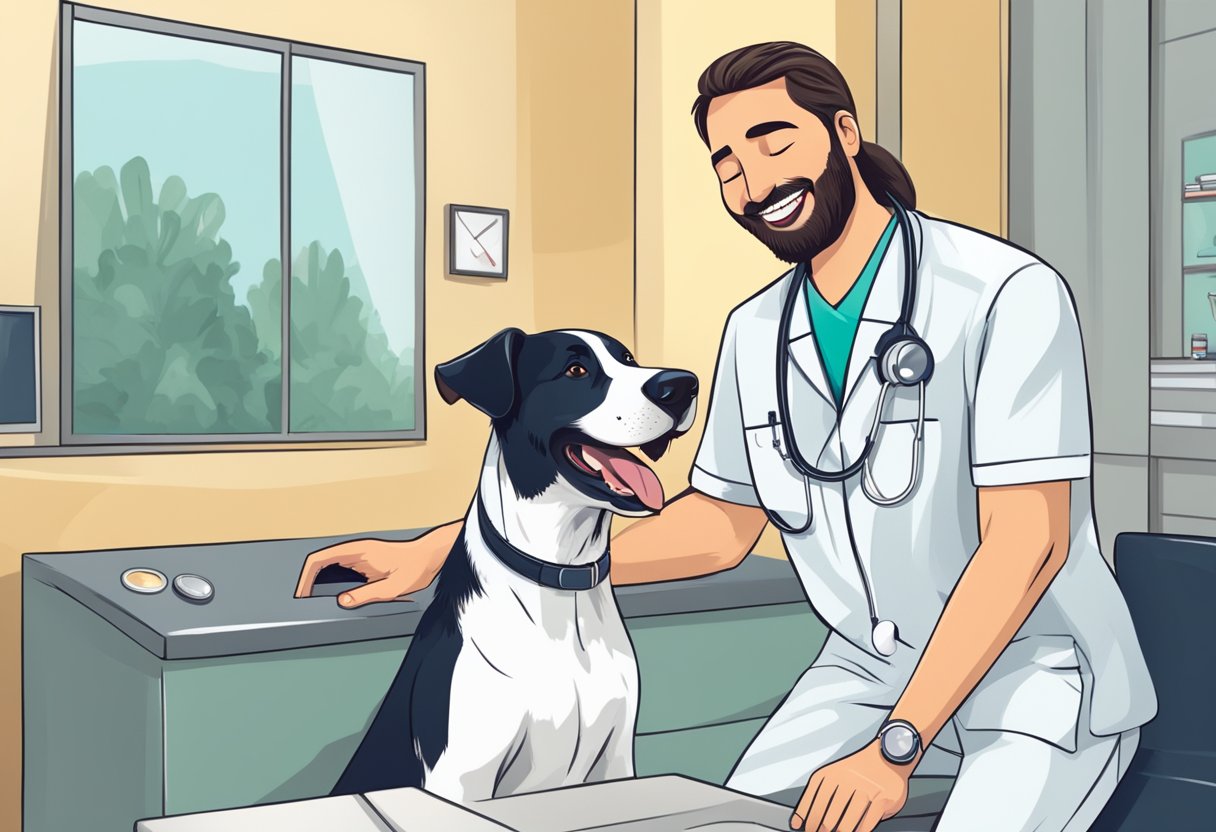
During a regular vet check-up, the vet will perform a comprehensive physical exam, checking the pet’s eyes, ears, nose, mouth, skin, and coat. They may also take the pet’s temperature, listen to their heart and lungs, and check their weight. In addition to the physical exam, the vet may recommend diagnostic tests, such as blood work or urinalysis, to screen for underlying health issues.
Regular vet check-ups can also help pet owners stay on top of their pet’s nutrition and weight management. The vet can provide guidance on the best diet for the pet’s age, breed, and health status, as well as recommend portion sizes and feeding schedules. They can also help pet owners develop an exercise plan to keep their pet at a healthy weight and prevent obesity-related health issues.
Key Takeaways
- Regular vet check-ups are an important part of preventative care for pets, helping to detect and treat issues before they become serious.
- These check-ups can help pet owners stay on top of their pet’s nutrition and weight management, as well as monitor their pet’s oral health, behavioral and emotional well-being, and age-related care.
- By taking a proactive approach to pet care and scheduling regular vet check-ups, pet owners can help their furry friends live longer, healthier lives.
Understanding Regular Vet Check-Ups
Regular vet check-ups are a crucial part of preventive care for pets. These check-ups help detect health problems early and prevent them from becoming more severe. They also provide an opportunity for veterinarians to discuss important health topics with pet owners.
Benefits of Preventive Care
Preventive care is an essential aspect of pet health, and regular vet check-ups play a vital role in it. During these check-ups, veterinarians can identify potential health problems before they become more severe. This early detection can save pet owners money and stress in the long run. Preventive care also includes vaccinations, which protect pets from contagious diseases.
Regular vet check-ups also provide an opportunity for veterinarians to discuss important health topics with pet owners. These topics may include nutrition, exercise, and dental care. Veterinarians can also discuss any behavioral concerns that pet owners may have.
Components of a Standard Check-Up
A standard vet check-up typically includes a physical exam, blood work, and vital sign monitoring. During the physical exam, the veterinarian will examine the pet’s eyes, ears, mouth, skin, and coat. They will also listen to the pet’s heart and lungs and palpate the abdomen.
Blood work is often part of a standard check-up, especially for senior pets. Blood work can help detect underlying health problems such as diabetes, kidney disease, and liver disease. Vital sign monitoring includes checking the pet’s temperature, heart rate, and respiratory rate.
In conclusion, regular vet check-ups are an essential aspect of pet health. They help detect health problems early, provide an opportunity for veterinarians to discuss important health topics with pet owners, and are a crucial part of preventive care. It is recommended that pet owners take their pets for regular check-ups at least once a year, and more frequently as they get older or if they have special medical needs.
Nutrition and Weight Management
Regular vet check-ups can help assess your pet’s diet and weight management. A balanced diet and healthy weight are crucial for your pet’s overall health and well-being.
Assessing Your Pet’s Diet
During a regular vet check-up, the vet may assess your pet’s current diet and make recommendations for improvement. The vet may ask about the type of food your pet eats, the frequency of meals, and the portion sizes. They may also check for any nutritional deficiencies or excesses.
It is important to choose a high-quality pet food that meets your pet’s nutritional needs. The vet can provide advice on selecting the right food for your pet’s age, breed, and activity level. Additionally, the vet may recommend supplements to ensure your pet is getting all the necessary nutrients.
Dealing with Obesity and Weight Issues
Obesity and overweight can lead to several health issues such as joint problems, diabetes, and heart disease. During a regular vet check-up, the vet may assess your pet’s weight and body condition score. If your pet is overweight or obese, the vet may recommend a diet plan and exercise routine to help your pet lose weight and maintain a healthy weight.
The vet may also suggest reducing the number of treats and table scraps your pet consumes. Additionally, they may recommend increasing your pet’s activity levels through exercise and playtime.
Underweight pets may also require special attention and care. The vet may recommend a diet plan and supplements to help your pet gain weight and maintain a healthy weight.
Overall, regular vet check-ups can help assess your pet’s diet and weight management. It is important to follow the vet’s recommendations to ensure your pet stays healthy and happy.
Monitoring Health and Detecting Issues Early
Regular vet check-ups are essential for monitoring the health of pets and detecting any potential issues early on. This is important because early detection can lead to more effective treatment and can save both the pet and the owner from unnecessary pain and suffering.
The Role of Regular Testing
During a regular vet check-up, the veterinarian will perform a variety of tests to monitor the pet’s health. These tests may include blood work, urine tests, and other diagnostic tests. These tests can help detect early signs of health issues such as diabetes, kidney disease, dental disease, and cancer.
Regular testing can also help monitor the pet’s blood pressure and other vital signs. This can help detect any potential health issues before they become serious.
Identifying Common Health Problems
Regular vet check-ups can also help identify common health problems in pets. For example, older pets are more prone to bone conditions and injuries, cardiac issues, cancer, and diabetes. Regular check-ups can help detect these issues early on, allowing for prompt treatment.
In addition, regular vaccinations are an important part of maintaining a pet’s health. Vaccinations can help prevent a variety of diseases and illnesses, including rabies, distemper, and parvovirus.
Overall, regular vet check-ups are essential for maintaining a pet’s health and detecting any potential issues early on. By staying on top of your pet’s health, you can help ensure that they live a long and healthy life.
Dental Care and Oral Health
Regular veterinary check-ups include an assessment of your pet’s dental health. Dental problems can be painful and lead to more serious health issues if left untreated. Preventing dental problems is essential for maintaining your pet’s overall health.
Preventing Dental Problems
Preventive dental care is essential for maintaining your pet’s dental health. This approach is rooted in the principle that the best way to address dental issues is to prevent them from occurring in the first place. Regular dental check-ups, often recommended every six months, embody this philosophy by enabling early detection and intervention.
Periodontal disease is a common dental problem in pets. It can lead to tooth loss, pain, and infection. Regular dental cleanings can help prevent the buildup of tartar and plaque, which are the main causes of periodontal disease. If your pet has already developed periodontal disease, your veterinarian may recommend more frequent cleanings or other treatments.
Home Dental Care Practices
Caring for your pet’s teeth at home is an essential part of maintaining their dental health. Brushing your pet’s teeth regularly can help prevent the buildup of tartar and plaque. Your veterinarian can recommend the best toothbrush and toothpaste for your pet. You can also provide dental chews or toys to help keep your pet’s teeth clean.
In conclusion, regular veterinary check-ups are essential for maintaining your pet’s dental health. Preventive dental care practices, such as regular dental check-ups and home dental care, can help prevent dental problems and keep your pet healthy.
Behavioral and Emotional Well-Being
Regular vet check-ups are not just about addressing physical health issues. They also play a crucial role in maintaining the behavioral and emotional well-being of pets. In this section, we will discuss some of the ways in which regular vet check-ups can help ensure the behavioral and emotional well-being of pets.
Training and Behavior Management
One of the most important aspects of maintaining a pet’s behavioral well-being is training and behavior management. During regular vet check-ups, pet owners can discuss any behavioral issues they are experiencing with their pets. The veterinarian can then provide advice on how to address these issues and recommend appropriate training and behavior management techniques. This can not only improve the pet’s behavior but also strengthen the relationship between the pet and owner.
Stress and Comfort in Pets
Pets can experience stress and anxiety just like humans. Regular vet check-ups can help identify any sources of stress and discomfort in pets and recommend ways to alleviate them. This can include recommendations for environmental enrichment, such as providing toys or other forms of mental stimulation. The veterinarian can also recommend techniques for reducing stress, such as massage or aromatherapy.
A trusting relationship between the pet and veterinarian is also important for maintaining the pet’s emotional well-being. Regular check-ups can help establish this relationship by providing opportunities for the pet to become comfortable with the veterinarian and the veterinary clinic. This can help reduce the pet’s anxiety and make future visits less stressful.
In conclusion, regular vet check-ups are essential for maintaining the overall well-being of pets. They play a crucial role in addressing physical health issues, as well as maintaining the behavioral and emotional well-being of pets. By discussing training and behavior management, identifying sources of stress and discomfort, and establishing a trusting relationship, pet owners can ensure that their pets experience joy, comfort, and affection throughout their lives.
Senior Pets and Age-Related Care
As pets age, their bodies undergo changes that can lead to a variety of health issues. Regular vet check-ups are essential for senior pets to identify and manage these issues early on. Here are some important considerations for managing age-related health concerns in senior pets.
Managing Chronic Conditions
Senior pets are more likely to develop chronic conditions such as osteoarthritis, loss of kidney function, and organ complaints. These conditions can be managed with medication and lifestyle changes, but early detection is key. Regular vet check-ups can help identify these conditions before they become severe, allowing for early intervention and management.
Adjusting Care for Aging Pets
As pets age, their needs change. They may require adjustments to their diet, exercise routine, and overall care. For example, senior cats may experience a loss of vision or memory loss, which can impact their ability to navigate their environment. Providing a safe and comfortable living space and adjusting their care routine can help mitigate these issues.
Regular vet check-ups can establish a baseline for your pet’s health and help identify any changes that may require adjustments to their care routine. By staying on top of your pet’s health, you can help ensure they live a comfortable and happy life in their golden years.
Frequently Asked Questions
What are the benefits of routine veterinary visits for pets?
Routine veterinary visits are essential to ensure that pets stay healthy and happy. These visits allow veterinarians to identify any potential health issues before they become serious problems. Regular veterinary visits include a thorough physical exam, vaccinations, and parasite prevention. These visits also provide an opportunity for pet owners to ask questions and receive advice on how to best care for their pets.
How often should pets have a veterinary check-up?
The frequency of veterinary check-ups depends on the pet’s age, health status, and lifestyle. Generally, pets should have a check-up at least once a year. Older pets or pets with chronic medical conditions may require more frequent visits. Puppies and kittens require more frequent visits to ensure that they receive the necessary vaccinations and care.
What can pet owners expect during a typical vet visit?
During a typical vet visit, the veterinarian will perform a physical exam to check for any signs of illness or injury. The vet will also discuss the pet’s diet, exercise routine, and behavior. The pet may receive vaccinations or preventative treatments for parasites. The veterinarian will also answer any questions the pet owner may have about their pet’s health.
What are common procedures performed during an annual pet check-up?
During an annual pet check-up, the veterinarian will perform a physical exam, update the pet’s vaccinations, and provide preventative treatments for parasites. The vet may also perform blood work or other diagnostic tests to check for any underlying health conditions. The veterinarian will also discuss the pet’s diet, exercise routine, and behavior.
How can regular vet visits contribute to early detection of pet illnesses?
Regular vet visits are critical for early detection of pet illnesses. During a physical exam, the veterinarian can identify any potential health issues before they become serious problems. Early detection of illnesses can help ensure that the pet receives the necessary treatment and care to prevent the illness from becoming more severe.
What factors influence the cost of a pet’s veterinary care?
The cost of a pet’s veterinary care depends on several factors, including the pet’s age, health status, and lifestyle. The cost of veterinary care may also depend on the location of the veterinary clinic and the specific services provided. Pet owners should discuss the cost of veterinary care with their veterinarian to ensure that they can provide the necessary care for their pets.