







Understanding dog body language is crucial for any dog owner or anyone who interacts with dogs regularly. Dogs use their body language to communicate their emotions, intentions, and needs. By learning to read and interpret dog body language, you can better understand your dog’s emotional state and respond appropriately, which can help strengthen your bond and prevent misunderstandings.
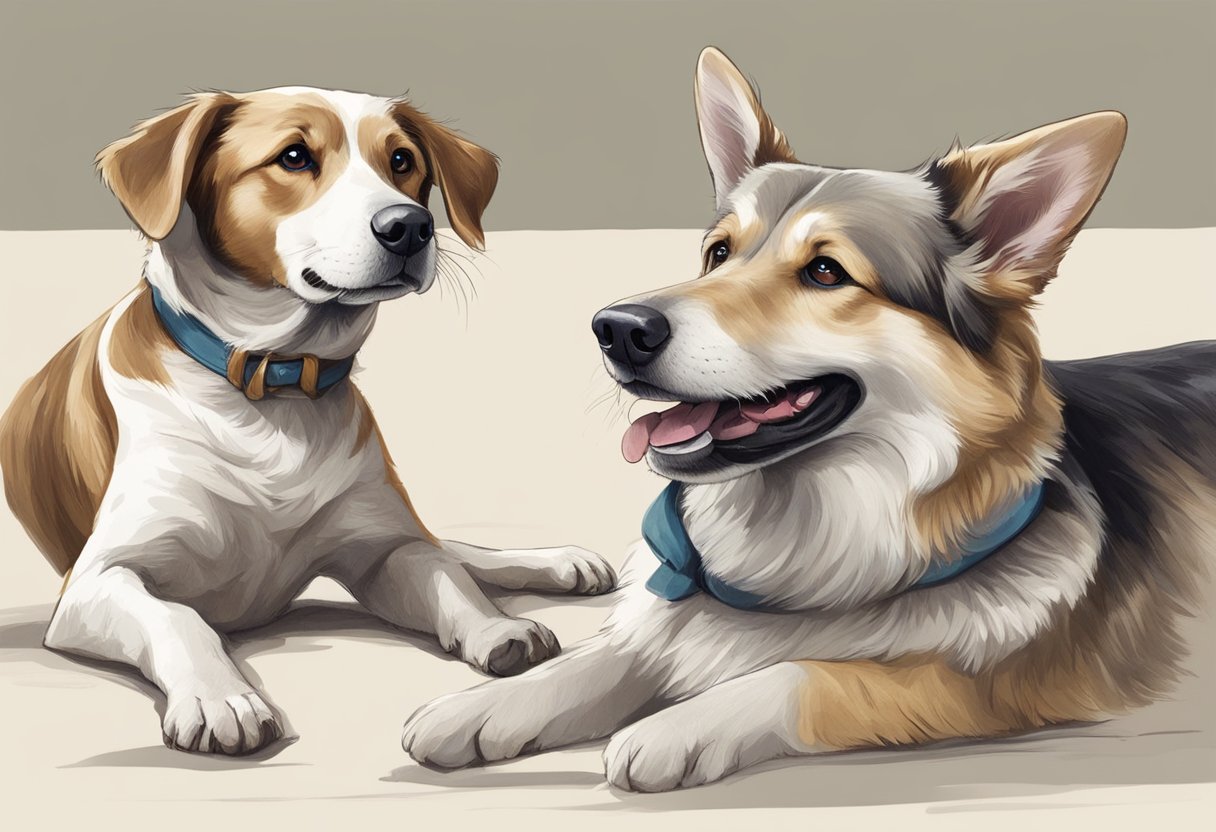
Fundamentals of canine communication include understanding the different postures, facial expressions, and vocalizations that dogs use to communicate. For example, a wagging tail can indicate happiness and excitement, but it can also indicate fear or aggression depending on the context. Similarly, a dog’s posture, such as standing tall with ears forward or crouching with ears back, can convey different emotions and intentions.
Interpreting dog postures requires careful observation and an understanding of the context in which they occur. For example, a dog may yawn when they are tired, but they may also yawn when they are stressed or anxious. By paying attention to the whole body and the context in which certain postures occur, you can gain a deeper understanding of your dog’s emotional state and respond appropriately.
Key Takeaways
- Understanding dog body language is crucial for building a strong bond with your dog and preventing misunderstandings.
- Fundamentals of canine communication include postures, facial expressions, and vocalizations.
- Interpreting dog postures requires careful observation and an understanding of the context in which they occur.
Fundamentals of Canine Communication
Dogs communicate with each other through a variety of body signals, including tail position, ear position, facial expressions, and vocalizations. Understanding these signals is crucial to understanding your dog’s emotional state and needs.
Understanding Tail Signals
A dog’s tail position can convey a lot of information about their emotional state. A high, wagging tail usually indicates excitement or happiness, while a low or tucked tail can indicate fear, anxiety, or submission. A tail that is held stiffly and still can indicate aggression or tension. It’s important to pay attention to the context of the tail position, as well as other body signals, to fully understand what your dog is trying to communicate.
Deciphering Ear Positions
A dog’s ears can also provide important cues about their emotional state. Ears that are held forward and erect usually indicate alertness or interest, while ears that are flattened against the head can indicate fear, anxiety, or submission. One ear forward and one ear back can indicate confusion or uncertainty. Paying attention to your dog’s ear position can help you understand how they are feeling and respond appropriately.
Reading Facial Expressions
A dog’s facial expressions can also provide important information about their emotional state. A relaxed mouth and open, soft eyes usually indicate a calm and content dog, while a tense mouth and narrowed eyes can indicate fear, anxiety, or aggression. Paying attention to your dog’s facial expressions can help you understand how they are feeling and respond appropriately.
Overall, understanding your dog’s body language is an important part of building a strong bond and relationship with your furry friend. By paying attention to tail position, ear position, and facial expressions, you can better understand your dog’s emotional state and respond appropriately to their needs.
Interpreting Dog Postures
Dogs communicate a lot through their body language and postures. Understanding these signals can help you better interact with your furry friend and avoid any misunderstandings. Here are some common dog postures and what they mean.
Signs of a Relaxed Dog
When a dog is relaxed, their body posture will be loose and comfortable. They may have a slightly open mouth, and their tail will be in a natural position, not too high or too low. Their ears will be in their natural position, and they will make eye contact with you. A relaxed dog may also wag their tail slowly, indicating that they are happy and content.
Indicators of Stress and Anxiety
When a dog is stressed or anxious, their body posture will be tense and stiff. They may cower or lower their head and tail, and their ears will be back. They may also pant excessively, drool, or lick their lips. These are all signs that the dog is uncomfortable and may need some space.
Aggressive Versus Playful Behaviors
It’s important to be able to differentiate between aggressive and playful behaviors in dogs. A dog that is playing will often do a “play bow,” where they lower their front legs and raise their hindquarters. They may also wag their tail and bark in a playful manner. On the other hand, an aggressive dog will have a stiff body posture, raised hackles, and may growl or snarl. They may also show their teeth and lunge towards their target.
It’s important to note that a submissive dog may also cower and lower their head and tail when interacting with a dominant dog. This is a natural behavior for dogs and is not necessarily a sign of anxiety or stress.
By understanding these common dog postures, you can better communicate with your furry friend and ensure that you have a happy and healthy relationship.
Emotional States and Stress Signals
Dogs communicate their emotions and intentions through body language. Understanding their body language can help you to interpret their emotional state and respond appropriately. This section will discuss how to recognize a happy dog, identify fear and discomfort, and understand calming signals and appeasement gestures.
Recognizing a Happy Dog
A happy dog will have a relaxed and loose body posture. They may wag their tail, which is a sign of excitement and happiness. Their ears will be in a natural position, and their mouth will be slightly open, with a relaxed tongue. Happy dogs may also playfully jump, paw, or nudge their owner.
Identifying Fear and Discomfort
A fearful or uncomfortable dog will show signs of stress and anxiety. They may have a tense body posture, with their tail tucked between their legs. Their ears will be back, and their mouth may be closed or slightly open with their lips pulled back. Fearful dogs may also pant excessively, drool, or tremble.
Calming Signals and Appeasement Gestures
Dogs use calming signals and appeasement gestures to communicate that they are not a threat and to defuse tense situations. Examples of calming signals include lip licking, yawning, and turning their head away. Appeasement gestures include crouching, rolling over, and lowering their head. These signals are often used when a dog is uncertain, frightened, or uncomfortable.
Understanding dog body language is crucial for building a strong bond between a dog and their owner. By recognizing their emotional state and responding appropriately, owners can ensure that their dogs feel safe and secure in their environment.
Visual and Vocal Cues
Understanding a dog’s body language is crucial for effective communication and building a strong bond between the pet and its owner. Dogs use a combination of visual and vocal cues to express their emotions, intentions, and needs. By learning to accurately interpret their signals, you can enhance communication, prevent misunderstandings, and create a more enjoyable training experience.
The Significance of Eye Contact
Eye contact is a crucial aspect of dog communication. Dogs use eye contact to convey a range of emotions, including dominance, submission, aggression, and fear. A direct, hard stare is often seen as a sign of aggression and dominance, while avoiding eye contact can be a sign of fear or submission. The “whale eye” is another visual cue that dogs use to signal discomfort or anxiety. This occurs when the dog turns its head away but keeps its eyes fixed on the target, revealing the whites of its eyes.
Vocalizations and Their Meanings
Dogs use a range of vocalizations to communicate with their owners and other dogs. Growling is often seen as a sign of aggression, but it can also be a warning sign to back off. Barking is a common vocalization that dogs use to express a range of emotions, including excitement, fear, and aggression. Whining is often seen as a sign of stress or anxiety, but it can also be a sign of excitement or anticipation.
It is important to note that each dog is unique, and their vocalizations may vary based on their breed, personality, and environment. Owners should take the time to learn their dog’s individual vocalizations and body language to better understand their needs and emotions.
Enhancing Human-Dog Relationships
Dogs are social animals and form close bonds with their human companions. Understanding dog body language is crucial for pet parents to strengthen their relationship with their furry friends. Interpreting canine body language can help pet parents understand their dog’s moods and emotions, leading to better communication and a more positive interaction.
Interpreting Signs of Affection
Dogs show affection in many ways, including wagging their tails, licking their owners, and cuddling. A wagging tail is a clear sign of a happy dog, but the position of the tail can also indicate their mood. A high, stiff tail indicates alertness or aggression, while a low tail indicates submission or fear. Pet parents must pay attention to their dog’s body language to understand their emotions and respond appropriately.
Smiling is another sign of affection in dogs. A relaxed, open-mouthed expression with a slightly upturned lip is a dog’s version of a smile. However, baring teeth with a wrinkled nose is a sign of aggression and should not be mistaken for a smile.
Misunderstandings in Dog-Human Interaction
Misunderstandings in dog-human interaction can lead to negative consequences. Pet parents must be aware of their dog’s body language to avoid misunderstandings. For example, a dog that appears friendly may become aggressive if they feel threatened or uncomfortable. Similarly, a dog that appears aggressive may be scared or anxious and is trying to protect themselves.
Pet parents must also be aware of their own body language and behavior. Dogs can pick up on subtle cues, such as tone of voice and posture, and react accordingly. Approaching a dog too quickly or in a threatening manner can cause them to become defensive.
In conclusion, understanding dog body language is crucial for enhancing human-dog relationships. By interpreting signs of affection and avoiding misunderstandings, pet parents can strengthen their bond with their furry friend and provide them with the best possible care.
Frequently Asked Questions
How can you tell if a dog is feeling aggressive through its body language?
When a dog is feeling aggressive, it will display certain body language cues that you should be aware of. These include a stiff tail, raised hackles, and a tense body posture. The dog may also growl, bare its teeth, and make direct eye contact with you. If you notice these signs, it’s important to stay calm and avoid making direct eye contact with the dog.
What signs indicate that a dog is calm and relaxed?
A calm and relaxed dog will generally have a loose and wiggly body posture. Its tail will be in a neutral position, and its ears will be relaxed. The dog may also pant gently and make soft eye contact with you. If you approach a dog and it seems calm and relaxed, you can feel confident that it is receptive to your presence.
How do you interpret a dog’s tail movements and what do they mean?
A dog’s tail movements can tell you a lot about its emotional state. If the tail is held high and wagging rapidly, it usually means that the dog is happy and excited. If the tail is held low and wagging slowly, the dog may be feeling unsure or submissive. If the tail is tucked between the legs, it usually means that the dog is scared or anxious.
What are the common postures a dog displays when it’s feeling playful?
When a dog is feeling playful, it will often display a “play bow” posture, where it lowers its front legs and raises its hindquarters. The dog may also wag its tail rapidly and bark excitedly. If you see a dog displaying these behaviors, it’s usually safe to assume that it wants to play.
How can you discern if your dog is scared or anxious through its body language?
A scared or anxious dog will often display certain body language cues, such as a tucked tail, flattened ears, and a hunched body posture. The dog may also pant heavily and avoid eye contact. If you notice these signs, it’s important to give the dog space and avoid forcing it into uncomfortable situations.
What does it mean when a dog shows its teeth or growls?
When a dog shows its teeth or growls, it usually means that it is feeling threatened or defensive. This can be a warning sign that the dog is about to bite, so it’s important to give the dog space and avoid making direct eye contact. If you feel threatened by a dog’s behavior, it’s best to back away slowly and avoid turning your back on the dog.