




Homemade dog food recipes have become increasingly popular among pet owners as they seek to provide their furry friends with the best possible nutrition. While commercial dog food can be convenient, it often contains additives and preservatives that may not be ideal for your dog’s health. By making homemade dog food, you can control the quality of the ingredients and ensure that your dog is getting a balanced and nutritious diet.
Understanding your dog’s dietary requirements is key to creating homemade dog food that meets their nutritional needs. Dogs require a balanced diet of protein, carbohydrates, fat, vitamins, and minerals. The amount of each nutrient varies depending on factors such as age, breed, and activity level. By consulting with a veterinarian or nutritionist, you can determine the specific dietary requirements for your dog and create homemade dog food recipes that meet their needs.
Choosing quality ingredients is also a crucial aspect of making homemade dog food. Fresh, whole foods such as lean meats, vegetables, and grains are ideal for providing your dog with the nutrients they need. Avoid using ingredients that are toxic to dogs, such as chocolate, onions, and garlic. By using high-quality ingredients, you can make sure that your dog is getting the best possible nutrition from their homemade dog food.
Key Takeaways
- Homemade dog food recipes can provide dogs with a balanced and nutritious diet.
- Understanding your dog’s dietary requirements is crucial for creating homemade dog food recipes.
- Choosing quality ingredients is important for ensuring that your dog is getting the best possible nutrition from their homemade dog food.
Understanding Your Dog’s Dietary Requirements
Dogs, like humans, require a balanced diet to maintain optimal health and well-being. A balanced diet provides the necessary nutrients to support their growth, development, and energy needs. Understanding the dietary requirements of your dog is essential to ensure that they receive the nutrients they need to stay healthy.
The Role of Protein, Fat, and Carbohydrates
Protein, fat, and carbohydrates are the three main macronutrients that dogs require in their diet. Protein is essential for building and repairing tissues, while fat provides energy and helps to maintain healthy skin and coat. Carbohydrates provide energy and fiber to support digestive health.
The amount of protein, fat, and carbohydrates your dog needs depends on their age, health, activity level, and nutritional needs. For example, puppies require more protein and fat than adult dogs, while senior dogs may require a lower protein and fat diet. Dogs with allergies or sensitivities may require a specialized diet that is lower in certain proteins or carbohydrates.
Vitamins and Minerals Essentials
Vitamins and minerals are essential for maintaining overall health and well-being. They play a vital role in maintaining healthy bones, teeth, and muscles, and supporting immune function. Dogs require a variety of vitamins and minerals, including vitamins A, D, E, and K, as well as calcium, phosphorus, and zinc.
A balanced diet that includes a variety of protein sources, fruits, and vegetables can provide the necessary vitamins and minerals that your dog needs. However, some dogs may require additional supplements to meet their nutritional needs, especially if they have specific health conditions or are on a restricted diet.
The Importance of Water in Canine Diets
Water is an essential nutrient that is often overlooked in canine diets. It plays a vital role in regulating body temperature, digesting food, and eliminating waste. Dogs require access to clean, fresh water at all times to maintain optimal health.
The amount of water your dog needs depends on their size, breed, activity level, and health. Dogs that are more active or live in hot climates may require more water than sedentary dogs. It’s essential to monitor your dog’s water intake and ensure that they have access to fresh water at all times.
In summary, understanding your dog’s dietary requirements is essential to ensure that they receive the nutrients they need to stay healthy. A balanced diet that includes protein, fat, carbohydrates, vitamins, minerals, and water can help support your dog’s growth, development, and energy needs. Consult with your veterinarian to determine the best diet for your dog based on their unique needs.
Choosing Quality Ingredients
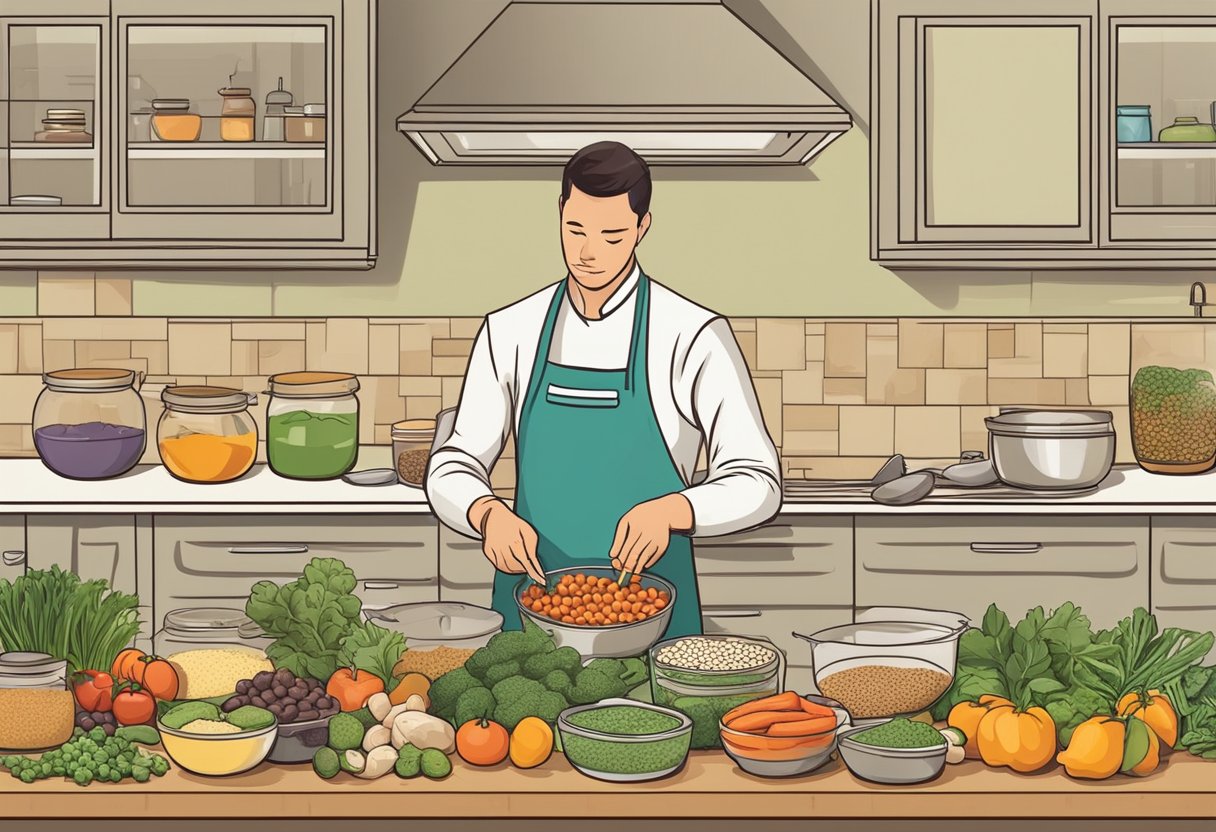
When it comes to homemade dog food, selecting quality ingredients is essential to ensure that your furry friend is getting the nutrients they need to thrive. Here are some guidelines for choosing the best ingredients for your homemade dog food recipes.
Selecting Meats and Alternatives
When selecting meats for homemade dog food, it is important to choose lean cuts of meat that are high in protein. Chicken, turkey, beef, fish, lamb, and pork are all great options. It is also important to choose human-grade ingredients to ensure that the meat is safe for your dog to consume.
For dogs that have allergies or sensitivities to certain types of meat, there are plenty of alternatives to choose from. Eggs, beans, and tofu are all great sources of protein that can be used in place of meat.
Incorporating Vegetables and Fruits
Vegetables and fruits are an important source of vitamins and minerals for dogs. Carrots, green beans, sweet potatoes, broccoli, and apples are all great options to include in your homemade dog food recipes. It is important to chop or puree the vegetables finely to make them easier for your dog to digest.
Grains and Legumes for Energy
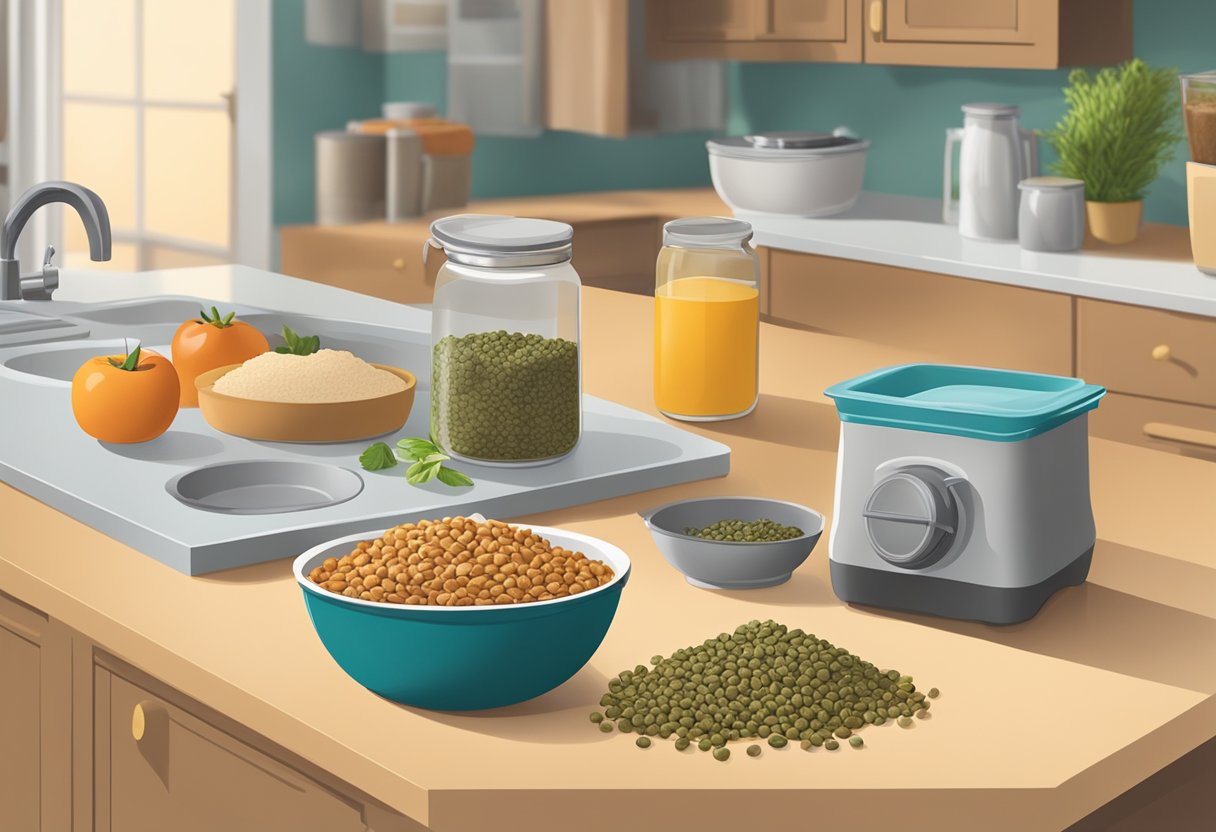
Grains and legumes are a great source of energy for dogs. Brown rice, oats, quinoa, and pasta are all good options. Beans, lentils, and corn are also great sources of protein and energy.
It is important to choose whole grains and legumes rather than refined grains, as they are higher in fiber and other nutrients. Additionally, it is important to cook grains and legumes thoroughly to make them easier for your dog to digest.
When selecting oils for your homemade dog food recipes, it is important to choose healthy sources of fat such as olive oil or coconut oil. Avoid using vegetable oils or other processed oils, as these can be harmful to your dog’s health.
Overall, choosing quality ingredients is key to ensuring that your homemade dog food recipes are nutritious and safe for your furry friend. By following these guidelines, you can create delicious and healthy meals that your dog will love.
Preparing Balanced Homemade Dog Food
Crafting the Perfect Recipe
When preparing homemade dog food, it is important to ensure that the recipe is balanced and provides all the necessary nutrients for your furry friend. A balanced diet should contain an appropriate balance of protein, carbohydrates, fiber, and fat. Vitamins and minerals must be added to the food to ensure it is complete and balanced.
There are many resources available online for homemade dog food recipes that are balanced and vet-approved. It is important to research reputable sources and consult with a veterinarian to ensure that the recipe is appropriate for your dog’s specific needs.
Cooking Methods and Techniques
There are several cooking methods and techniques that can be used when preparing homemade dog food. Cooking the food can help to make it more digestible and increase the bioavailability of nutrients. Fresh food is always the best option, but cooked eggs and pumpkin puree are also great additions to a homemade diet.
Slow cookers are a great option for preparing homemade dog food. They allow for easy preparation and can be left to cook while you are away from home. Beef stew, chicken and rice, and ground turkey are all great options for slow cooker recipes.
Portion Sizes and Frequency
When serving homemade dog food, it is important to consider the appropriate serving size and frequency. The serving size will depend on the size and activity level of your dog. It is important to monitor your dog’s weight and adjust the serving size accordingly.
Feeding your dog too much or too little can lead to health problems, so it is important to follow the recipe instructions and consult with a veterinarian if you have any concerns.
Overall, preparing balanced homemade dog food can be a great way to provide your furry friend with fresh, nutritious food. By crafting the perfect recipe, using appropriate cooking methods, and monitoring portion sizes and frequency, you can ensure that your dog is getting the best possible nutrition.
Addressing Special Dietary Concerns
When it comes to making homemade dog food, it’s important to consider any special dietary concerns your furry friend may have. Here are a few things to keep in mind:
Food Allergies and Sensitivities
Just like humans, dogs can have food allergies or sensitivities. If your dog is experiencing digestive issues, skin problems, or other symptoms, it’s possible that they have an allergy or sensitivity to one or more ingredients in their food. Common allergens for dogs include beef, chicken, dairy, wheat, and soy.
If you suspect that your dog has a food allergy or sensitivity, it’s important to consult with a veterinarian or veterinary nutritionist. They can help you identify the problematic ingredient and suggest alternative sources of nutrition.
Diet for Weight Management
Maintaining a healthy weight is important for your dog’s overall health and longevity. If your dog is overweight or obese, it’s important to adjust their diet to help them lose weight gradually and safely.
One way to do this is to reduce the amount of calories your dog consumes each day. You can do this by feeding them smaller portions or switching to a lower-calorie food. It’s also important to make sure that your dog is getting enough dietary fiber to help keep them feeling full and satisfied.
Again, consulting with a veterinarian or veterinary nutritionist can help you develop a weight loss plan that is safe and effective for your dog.
Supporting Health Conditions with Diet
In some cases, a specific diet can help support dogs with certain health conditions. For example, dogs with kidney disease may benefit from a diet that is lower in protein and phosphorus. Dogs with diabetes may benefit from a diet that is lower in carbohydrates and higher in fiber.
If your dog has a specific health condition, it’s important to work with a veterinarian or veterinary nutritionist to develop a diet that meets their specific needs. They may also recommend supplements or other nutritional interventions to help manage your dog’s condition.
Overall, making homemade dog food can be a great way to ensure that your furry friend is getting the nutrition they need. However, it’s important to consider any special dietary concerns they may have and work with a professional to develop a diet that meets their needs.
Storage and Safety Tips
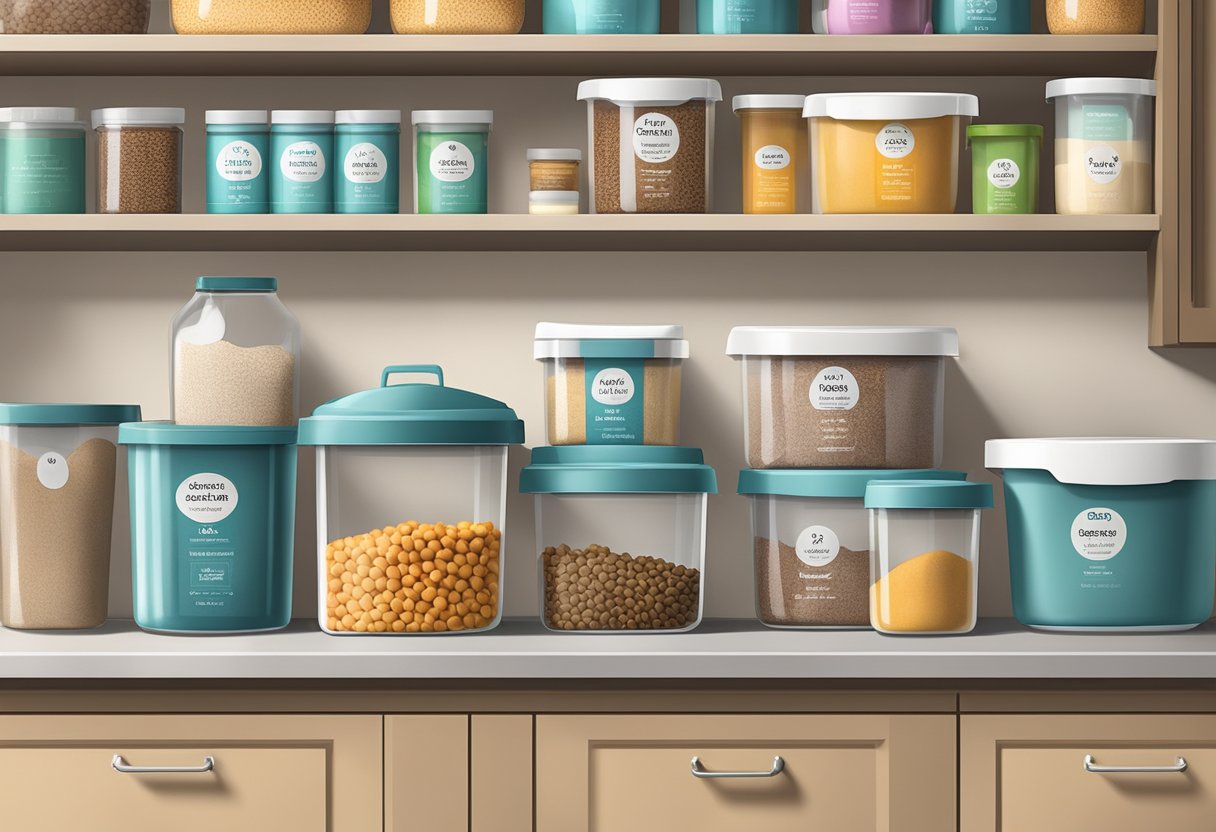
Homemade dog food is a great way to provide your furry friend with a healthy and nutritious diet. However, it is important to store and handle the food properly to ensure that it stays fresh and safe to eat. Here are some tips to help you with the storage and safety of homemade dog food.
Proper Food Handling and Hygiene
When preparing homemade dog food, it is important to practice good food handling and hygiene. This means washing your hands and all equipment thoroughly before and after handling the food. It is also important to use clean and sanitized cutting boards, knives, and other utensils.
Storing Homemade Dog Food
Homemade dog food should be stored properly to ensure that it stays fresh and safe to eat. Most homemade dog food recipes are safe to store in the refrigerator for 3-5 days, as long as they are in an airtight container. However, if you have made a large batch of food, you may want to consider freezing it for later use.
When storing homemade dog food in the freezer, it is important to use freezer-safe containers or bags. Label the containers with the date and contents to help you keep track of what you have stored. Homemade dog food can be stored in the freezer for up to 3 months.
It is important to note that homemade dog food does not contain preservatives like store-bought dog food. Therefore, it is important to keep an eye on the food and discard it if it looks or smells spoiled. Signs of spoiled dog food include a sour or rancid smell, mold, or discoloration.
In summary, proper food handling and hygiene are essential when preparing homemade dog food. Storing homemade dog food in the refrigerator or freezer can help keep it fresh and safe to eat. However, it is important to keep an eye on the food and discard it if it looks or smells spoiled.
Frequently Asked Questions
What are the essential supplements needed when preparing homemade dog food?
When preparing homemade dog food, it is important to ensure that your dog is receiving all the necessary nutrients. Some essential supplements to consider adding to your dog’s diet include calcium, omega-3 fatty acids, and vitamins A, D, and E. It is recommended to consult with a veterinarian or a veterinary nutritionist to determine the appropriate supplements for your dog’s specific needs.
How can I ensure my homemade dog food is nutritionally complete?
To ensure that your homemade dog food is nutritionally complete, it is important to include a variety of ingredients that provide all the necessary nutrients. This includes a source of protein, such as chicken, beef, or fish, as well as carbohydrates, healthy fats, and a variety of fruits and vegetables. It is also recommended to consult with a veterinarian or a veterinary nutritionist to ensure that your dog’s specific nutritional needs are being met.
Which ingredients should be avoided in homemade dog food to ensure safety?
There are several ingredients that should be avoided when preparing homemade dog food to ensure safety. These include chocolate, onions, garlic, grapes, raisins, and avocados. It is also important to avoid using bones that can splinter and cause choking or intestinal blockages. Additionally, it is recommended to avoid using ingredients that are high in fat or sodium, as well as any ingredients that your dog may be allergic to.
What are some vet-approved recipes for homemade dog food?
There are several vet-approved recipes for homemade dog food that provide a balanced and nutritious diet. One example is a recipe that includes lean protein, such as chicken or turkey, brown rice, and a variety of vegetables, such as carrots, green beans, and sweet potatoes. Another example is a recipe that includes fish, such as salmon or sardines, sweet potatoes, and leafy greens, such as spinach or kale. It is important to consult with a veterinarian or a veterinary nutritionist to determine the appropriate recipes for your dog’s specific needs.
How do I tailor homemade dog food recipes for small or large breed dogs?
When tailoring homemade dog food recipes for small or large breed dogs, it is important to consider their specific nutritional needs. Small breed dogs require a higher calorie intake per pound of body weight than larger breed dogs. Therefore, it is important to adjust the portion sizes accordingly. Additionally, small breed dogs may benefit from smaller kibble sizes or softer textures. Large breed dogs may require more protein and fat to support their higher energy needs.
Can you provide simple steps for creating a balanced homemade dog food meal with chicken?
To create a balanced homemade dog food meal with chicken, start by cooking boneless, skinless chicken breasts until fully cooked. Next, add cooked brown rice and a variety of vegetables, such as carrots, green beans, and sweet potatoes. To ensure that your dog is receiving all the necessary nutrients, consider adding a supplement that includes calcium, omega-3 fatty acids, and vitamins A, D, and E. It is recommended to consult with a veterinarian or a veterinary nutritionist to determine the appropriate supplements for your dog’s specific needs.